The aroma of soju, within the context of Korean drinking culture.
For Koreans, alcohol is more than just a beverage; it's imbued with countless memories, emotions, and shared experiences. From laughter during family gatherings to heartfelt conversations with friends, and the comforting taste of soju reminiscent of a mother's cooking, Korean drinking culture is deeply intertwined with the nation's emotional fabric. At the heart of this culture lies soju. Today, we will explore the fascinating world of soju, examining why it holds such a powerful symbolic meaning for Koreans and uncovering the true significance behind its taste and cultural impact.
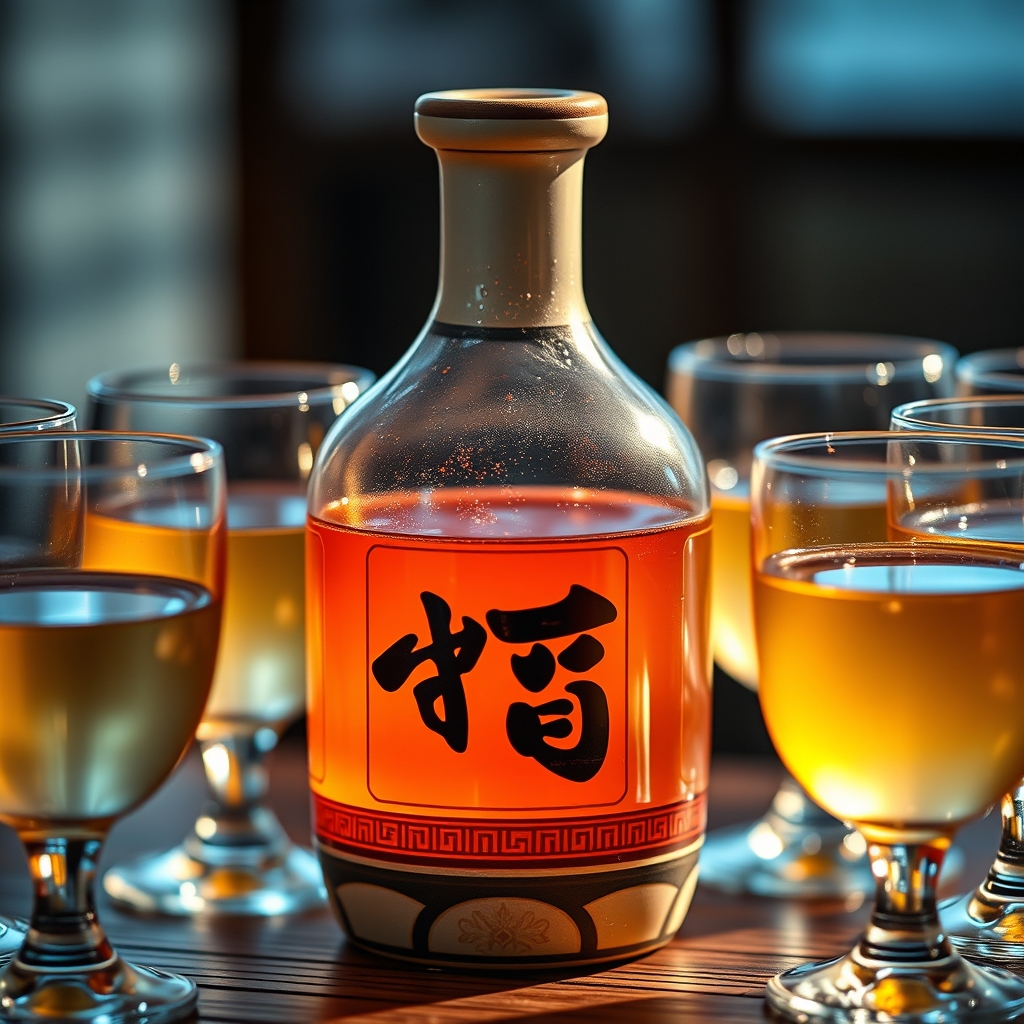
The Origins and History of Soju: A Drink Born from a Specific Context
Soju's widespread popularity in Korea began in the late 19th century, during a period when Japan colonized the Korean peninsula. It was during this time that distilled spirits introduced by Japanese individuals began to circulate in Korea, giving rise to the name "soju." The term "soju" is a Korean adaptation of the Japanese word "shōchū." However, soju is also a truly authentic Korean spirit.
In fact, before the Joseon Dynasty, Koreans commonly consumed a fermented beverage called "makgeolli," made from rice and grains. These drinks often held sacred meanings, reflecting the emperor's hopes and aspirations. However, "soju," introduced alongside Japanese distilled spirits, differed from the existing fermented beverages in Korea. The distillation process, which involved roasting ingredients like oil, resulted in a taste that was clean, refreshing, and intensely aromatic. This unique flavor profile quickly resonated with Korean palates, establishing soju as a beverage that could be enjoyed responsibly.
The Taste and Varieties of Soju: Exploring the Nuances of a Single Shot
Korean soju can be broadly categorized into three main types: Myungju, Jiran, and Osaek. Each of these varieties boasts distinct characteristics in terms of taste, production methods, and intended use.
"Myungju" is crafted from white barley and rice, resulting in a clear and refined aroma. It typically undergoes a longer aging process than other sojus. Myungju is characterized by its clean and refreshing taste, often described as "subtle" rather than bold. It is commonly served during special occasions or when entertaining guests, reflecting its premium status.
In contrast, "Jiran" is made from red barley and exhibits a reddish-brown hue. This soju possesses a strong fruity aroma and a slightly bitter taste. It is often enjoyed in everyday settings, particularly with the concept of "amur," which emphasizes shared experiences and camaraderie. Jiran is a quintessential symbol of Korean drinking culture, especially popular among men in their 20s and 30s.
"Osaek," a more recent addition to the soju landscape, is made from a blend of white rice and glutinous rice, resulting in a diverse range of flavors. It often incorporates additional ingredients such as coconut, green tea, or nuts, creating a sense of comfort and relaxation. This soju is particularly popular among younger generations, especially women.
In this way, Korean soju has evolved beyond being simply "alcohol"; it has become a "choice that caters to individual preferences." The decision of which soju to enjoy, depending on the occasion, mood, and accompanying food, shapes the daily experience.
Koreans and Soju: The Culture of Drinking, and the Emotions Behind It
For Koreans, drinking soju is not merely about getting "drunk." It's about fostering emotional connections and shared experiences. The Korean concept of "anju" (side dishes) is an integral part of the soju experience. A wide variety of side dishes, such as kimchi, sesame powder, triangular rice cakes, pig's trotters, and fermented soybean paste stew, are served alongside soju. This is not just a meal; it's about creating a shared moment in time.
In fact, there is a Korean saying that "one shot of soju brings people closer." This isn's just about improving relationships through alcohol; it's about how "sharing a drink" opens the door to conversation. While many Koreans enjoy conversations without alcohol, the saying highlights how "soju can make people feel more comfortable," acting as a catalyst for genuine connection.
Furthermore, Korean culture emphasizes responsible drinking. While excessive consumption is discouraged, the focus is on "drinking in moderation and together." This reflects a belief that alcohol should not be used as a crutch but rather enjoyed mindfully. For many Koreans, soju represents "a moment of relaxation" and "a sense of freedom." They often value "the company of those around them" more than the alcohol itself.
The Changing Landscape of Soju: A New Generation and Fresh Approaches
Over the past decade, the Korean soju market has undergone a significant transformation. Traditional sojus like "Jiran" and "Myungju" have become less popular among certain demographics. Instead, new soju brands that resemble "spirits" have emerged. For example, premium sojus like "Jinro Ade," "Hite Can," and "Cham Isul Lemon" have gained popularity among younger consumers. These individuals view alcohol as a "lifestyle product" and enjoy the experience of pairing it with their imagination.
For example, "Cham Isul Lemon" is characterized by its refreshing orange aroma and flavor. It feels more like a "drink" than alcohol, appealing to young people who appreciate the subtle nuances. This shift reflects how soju is evolving from a "symbol of Korean tradition" to a "modern cultural item."
However, this change also presents a challenge. While younger generations view soju as an "appealing drink," older generations may perceive this shift as a "decline in Korean drinking culture." This tension between "tradition and modernity" continues to shape the soju landscape. However, there is also a sense of "new possibilities" emerging.
For example, hybrid drinks like "Jiran Green," which combines Jiran with green tea, or "Lemon Soju," which blends Myungju with orange juice, represent an attempt to bridge the gap between tradition and modernity. These innovations showcase the "evolution" of Korean soju culture.
Korean soju is no longer just an alcoholic beverage; it's a means of expressing love, cherishing memories, and celebrating the small joys of everyday life. It's a rhythm that drives Korean society, and the emotions it contains are difficult to put into words. However, when you share a sincere shot of soju, the meaning becomes clear. Ultimately, we've come to realize that soju is not just about "the moment of drinking," but also about "the feelings you have before taking that first sip."
Popular posts
Soju vs. Tea Bags: Which one is more "to my taste"?
Here are 5 ways to enjoy tea more deeply.
Comments 0