Golden Tea Deep Flavor Guide: Tips for yellow tea
"The depth of flavor in tea is a journey through fermentation and processing, where subtle shifts in oxidation transform the leaf's very essence."
Yellow tea offers a mellow, distinctive richness that sits between green and black tea due to its unique "men huang" or yellowing process. This guide helps tea enthusiasts distinguish the mellow profile of yellow tea from the delicate, minimally processed nature of white tea.
* Yellow tea undergoes a specialized yellowing process to reduce bitterness. * White tea relies on minimal oxidation and drying to preserve natural freshness. * Caffeine content varies significantly based on the specific tea type and brewing method. * The sensory experience depends heavily on the degree of oxidation and leaf processing.
What exactly defines the Golden Tea deep flavor?
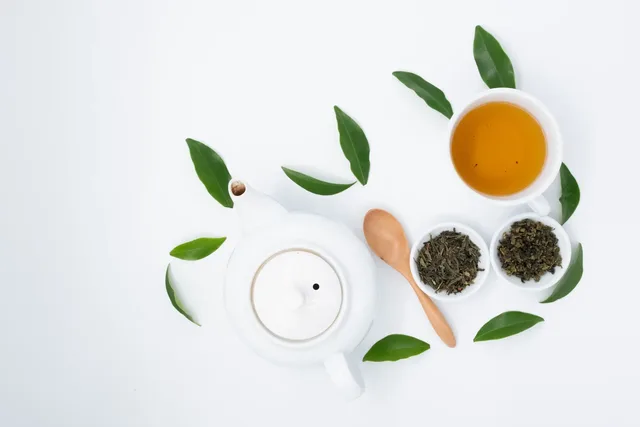
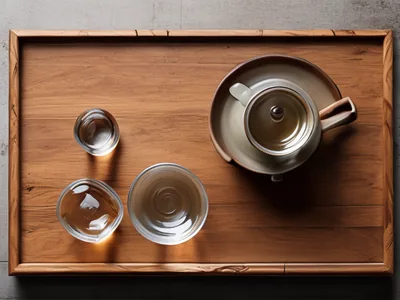
At dawn, I sit by the window and sip the golden liquid, feeling its heavy warmth coat my throat. A tea enthusiast sits at a low wooden table, watching the steam rise from a small porcelain cup. The liquid in the vessel glows with a soft, amber hue, releasing a scent that is neither as grassy as green tea nor as heavy as black tea. This specific character defines the Golden Tea Deep Flavor.
Yellow tea is characterized by its mildness and lack of astringency. This is achieved through a controlled process where the leaves are allowed to slightly wilt and turn yellow under moisture.
This step differentiates it from white tea, which is primarily dried to maintain its original, unadulterated state. While white tea emphasizes lightness, yellow tea focuses on a smooth, rounded mouthfeel.
The richness of yellow tea comes from this subtle oxidation. Unlike white tea, which seeks to preserve the leaf's raw profile, yellow tea uses heat and moisture to soften the tannins. This results in a flavor profile that feels heavier on the palate but remains gentle on the throat.
I find that the second step in this sensory progression is the most significant.
How does the aroma of yellow tea compare to others? Golden Tea Deep Flavor Guide
The scent of tea leaves fills a quiet room as a person gently stirs a warm infusion. The aroma drifts upward, offering a complex layer of sweetness that contrasts with the airy, floral notes of a white tea. Understanding Yellow Tea Aroma requires recognizing these subtle chemical shifts.
The aromatic profile of yellow tea is more complex than that of white tea. White tea often presents notes of hay or fresh flowers because it undergoes very little processing. In contrast, the yellowing process in yellow tea creates a deeper, more savory scent.
This aroma is a direct result of the controlled oxidation that characterizes the variety.
When comparing the two, one might notice that white tea smells "cleaner," while yellow tea smells "richer." This distinction is essential for anyone looking to master their palate. The tea's scent is not just a surface trait but a reflection of the leaf's internal transformation.
- Identify the initial floral notes.
- Detect the subtle toasted undertones.
- Evaluate the lingering sweetness.
How does the White Tea Flavor Contrast work?
A person holds a clear glass cup up to the light, observing the pale, almost translucent liquid. The sensation is one of lightness and purity, a sharp departure from the deeper tones found in other varieties. This is the essence of the White Tea Flavor Contrast.
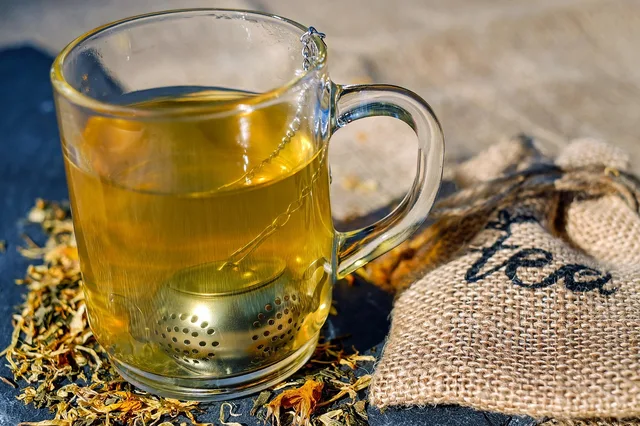
White tea is the least processed of the major tea types. It is often simply withered and dried, which keeps the flavor profile very close to the living plant. This creates a sharp contrast with yellow tea, which has been intentionally manipulated to achieve a specific mellowed state.
The contrast is most evident in the mouthfeel. White tea often feels thin and refreshing, whereas yellow tea provides a more substantial presence. Understanding this difference allows a drinker to choose a tea based on the desired intensity of the experience.
Exploring the Yellow Tea Fermentation Level
An artisan carefully monitors the moisture levels in a tea basket, ensuring the leaves stay damp enough to turn a soft gold. This careful management of the environment is what determines the final quality of the brew. This process is central to the Yellow Tea Fermentation Level.
The level of oxidation in yellow tea is a middle ground. It is more advanced than the minimal processing of white tea but less intense than the full oxidation of black tea. This specific level is what removes the harshness often found in green teas.
The fermentation-like process in yellow tea is actually a "yellowing" stage. This stage is crucial for creating the characteristic smoothness. If the level is too low, the tea remains too astringent; if it is too high, it loses the unique yellow tea identity and moves toward a darker profile.
Managing the Tea Insight Guide Yellow White experience
A tea master prepares two separate sets of tools, one for a delicate white tea and one for a richer yellow tea. They carefully adjust the water temperature and steeping time to suit each leaf's needs. This is the practical application of a Tea Insight Guide Yellow White.
According to ISO 3103, black tea brewing requires a temperature of 90–95 °C using 2 g of tea in 100 ml of water for a brewing time of 6 min.
To properly experience these teas, one must follow specific preparation steps. I have found that treating them with the same temperature can ruin the delicate nuances of the white tea.
- Select high-quality, whole leaves for both varieties to ensure clarity of flavor. 2. Use slightly cooler water for white tea to avoid extracting bitter compounds. 3. Allow the yellow tea to steep slightly longer to fully develop its mellowed sweetness.
After brewing, check the color of the infusion. The white tea should be pale, while the yellow tea should show a distinct golden or amber tint.
Comparing the nutritional and chemical makeup
A researcher examines a sample of dried tea leaves under a microscope, noting the structure of the cells. They look for the presence of specific compounds that define the tea's character. This scientific perspective complements the sensory experience.
The USDA FoodData Central provides information regarding the nutritional and chemical makeup of various teas.
While the flavor profiles differ, the fundamental components of the leaves remain similar. Most tea leaves are composed of 30–40% polyphenols, which are the most abundant compounds in the leaves.
| Feature | Yellow Tea | White Tea |
|---|---|---|
| Primary Character | Mellow and Smooth | Light and Floral |
| Oxidation Level | Moderate (Yellowing) | Minimal (Withering) |
Caffeine levels also play a role in the experience. Caffeine makes up about 3% of tea's dry weight, which translates to between 30 and 90 milligrams per 250-millilitre (8+1⁄2 US fl oz) cup depending on the type, brand, and brewing method.
One limitation of comparing these teas is that the specific effects of the yellowing process can vary significantly depending on the local climate and the specific cultivar used during harvest.
The subject here is Golden Tea Deep Flavor Guide.
The same subject is also called Oolong vs White Tea Taste.
This part also covers Best Tea Flavor Comparison.
Related
Comments 0