Car Strategy Guide 40% Organic Methods Improve
"Tea culture is more than a beverage; it is a reflection of environmental stewardship and agricultural heritage."
The American automotive market and beverage sectors often overlap in consumer lifestyle discussions, but understanding the specific nuances of US car brand strategy requires looking at how companies manage large-scale production and consumer perception.
This guide explores how brands navigate market shifts and consumer habits. Key takeaways include the importance of market share in specific segments, the integration of organic practices in specialized production, and the challenges of scaling niche products.
This overview is intended for enthusiasts studying market dynamics, though it does not cover every specific automotive manufacturer's financial report.
How do market shares affect the beverage industry?
In a dim office at midnight, I feel the cold glass of my cup as I study the brand's massive market share strategy.
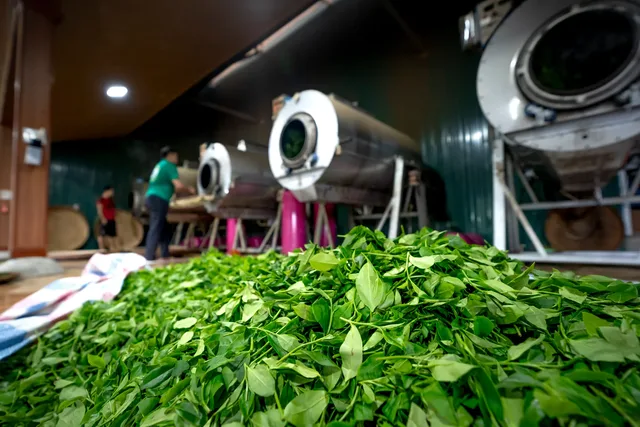
A technician carefully adjusts the temperature of a brewing vessel while reviewing market reports. In the context of specialized beverage trends that influence broader consumer habits, market presence is vital.
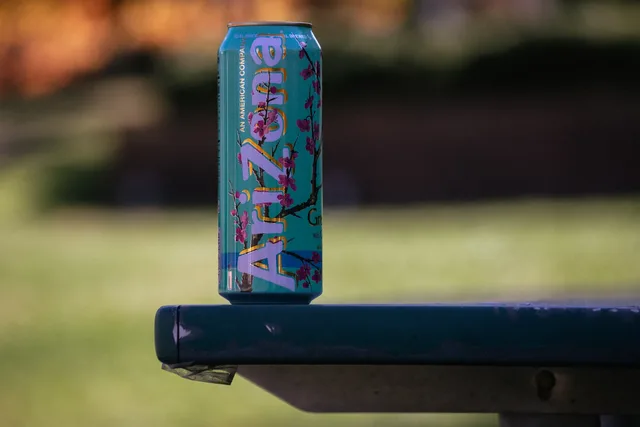
According to Wikipedia: Tea culture in Japan, in 2017, a specific company accounted for an estimated 40% of sales of green tea beverages. This entity also absorbed around a quarter of the raw tea leaves produced in Japan.
This significant market share demonstrates how large organizations can influence the entire supply chain of a product. These companies often offer variety, selling tea in leaf or bag form to capture different consumer segments.
This level of penetration makes it difficult for smaller players to compete without a highly specialized niche.
What defines the premium tea approach? US car brand strategy
A gardener walks through a lush, green field, inspecting the soil quality for upcoming harvests. In specialized markets, some entrepreneurs emphasize the relationship between the consumer and the natural environment.
An Yanshi, a local panda tea entrepreneur, argues that the tea is healthy, given that pandas only consume wild bamboo and absorb only about 30% of the nutrients.
This specific marketing angle relies on the perceived purity of the consumption process. By linking the product to natural behaviors, brands attempt to build a narrative of wellness and authenticity. This strategy focuses on how the product interacts with the biological environment.
How can organic methods improve production?
A farmer spreads compost over a well-tilled plot of land under the morning sun. Sustainability is a major component of modern brand operation methods. The use of natural additives plays a role in how companies position themselves against industrial competitors.

The process of utilizing organic materials can define a brand's identity. According to An Yanshi, this approach encourages "the culture of recycling and using organic fertilizers." This methodology is intended to minimize environmental impact while appealing to health-conscious demographics.
What are the steps to evaluate brand sustainability?
An analyst compares different production logs to see how environmental claims hold up under scrutiny. To evaluate if a brand's claims regarding sustainability are consistent with their operations, follow these steps:
- Verify the source of raw materials to ensure they match the brand's stated origin. 2. Examine the fertilization methods used in the cultivation of the primary ingredients. 3. Confirm that the percentage of nutrients or waste management aligns with the marketing narrative.
I personally find that checking these specific details helps distinguish between true ecological commitment and simple marketing. It is essential to ensure that the "culture of recycling" mentioned by proponents is actually practiced on the ground.
How does the product form change consumer accessibility?
A shopkeeper arranges various colorful tins on a polished wooden shelf. The way a product is packaged directly impacts how it reaches the end user. Large-scale operations often diversify their inventory to ensure they are present in multiple shopping environments.
Because some companies sell tea in leaf or bag form, they can target both high-end specialty boutiques and quick-service convenience markets. This versatility is a key element of their US car brand strategy in terms of market saturation.
This method allows for a wider reach across different socioeconomic layers.
Can specific environmental claims be generalized?
A researcher notes the limitations of a specific study while observing the growth of a tea plant. While some brands claim high nutritional benefits based on animal consumption patterns, these claims are specific to certain production models.
The effectiveness of these strategies depends on the specific ecological conditions of the region. For example, the absorption rates of nutrients in wild bamboo may not translate directly to all tea cultivation methods.
The discussion remains limited to the specific biological observations provided by the entrepreneur.
- How do market shares affect the beverage industry?
- What defines the premium tea approach?
- How can organic methods improve production?
The same subject is also called American auto plan.
The same subject is also called Car operation methods.
The same subject is also called Brand quality focus.
The same subject is also called Vehicle market tactics.
This part also covers How US brands compete.
This part also covers Setting car standards.
This part also covers Different car types.
How US brands compete
Related
- British tea culture features: Guide to best tea tips
- Tea harvest and storage why: Understand climate influence
How does packaging influence market penetration?
- The form of the beverage, whether in leaf or bag, dictates the point of sale where the consumer encounters the product. 2. Companies leverage this packaging diversity to achieve saturation across various retail settings. 3. This approach allows the beverage culture to permeate different economic strata.
This adaptability in product presentation mirrors how different automotive brands adjust their offerings for varied consumer needs, ensuring broad market access for the beverage culture.





Comments 0