Green Tea vs. Black Tea: Caffeine, Benefits, and Manufacturing Differences.
Key — Green Tea vs. Black Tea: Caffeine, Benefits, and Manufacturing Differences.

Green tea and black tea both come from the same plant (Camellia sinensis), but their caffeine content and health benefits differ significantly due to the degree of oxidation (fermentation) they undergo. Green tea undergoes minimal oxidation, resulting in a light grassy flavor and lower caffeine levels, while black tea is fully oxidized, providing a richer color, relatively higher caffeine content, and unique antioxidant compounds.
Both teas are from the same variety, but their different processing methods create key differences. Green tea undergoes heat treatment immediately after harvest to prevent oxidation, while black tea is fully fermented before drying, allowing the oxidation process to complete. The chemical compounds created during these processes determine each tea's taste, aroma, and health effects.
The Impact of Oxidation on Taste and Caffeine Content - Green tea, with its minimal oxidation, is characterized by a green color and fresh grassy aroma. Its caffeine content ranges from 20-45 mg per 8 oz (approximately 240 ml). - Black tea, which undergoes full oxidation, has a dark brown color and a rich body. Its caffeine content is approximately 40-70 mg per 8 oz, about twice that of green tea. - Catechins (in green tea) and theaflavins and thearubigins (in black tea) are antioxidants with different properties, contributing to cardiovascular health and gut microbiome balance in distinct ways.
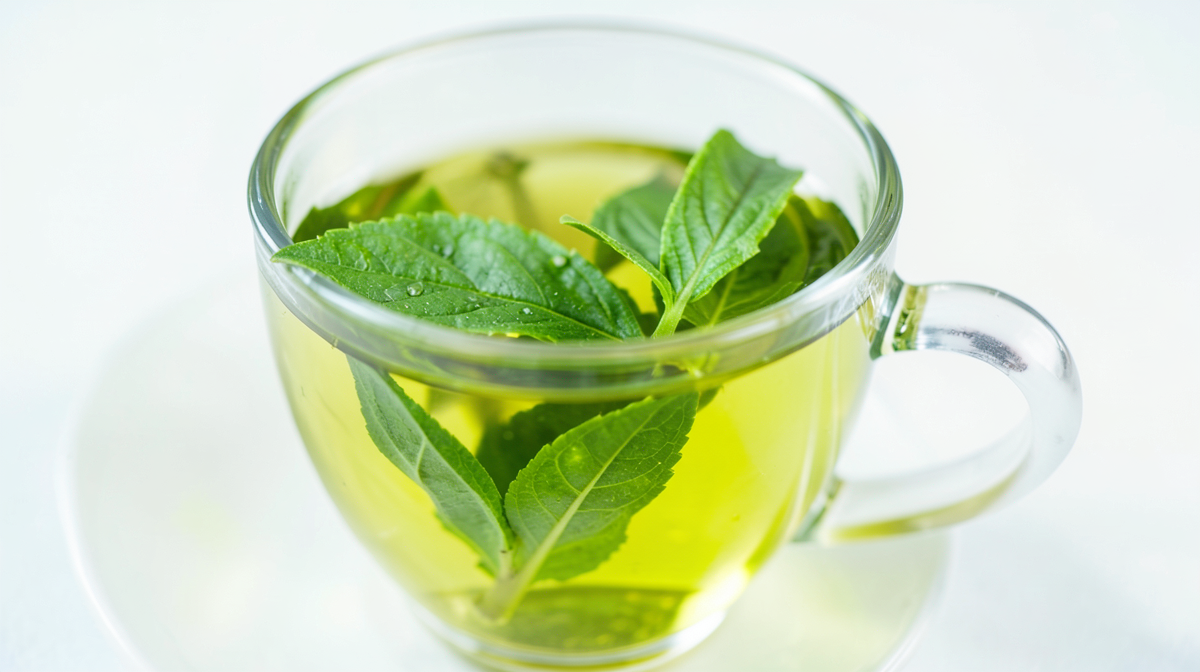
Key Differences in the Health Benefits of Green Tea and Black Tea - Green tea is rich in L-theanine, which aids in relaxation and concentration, while catechins like EGCG (epigallocatechin gallate) support brain function and have anti-cancer effects. - Black tea is rich in theaflavins and thearubigins, which are beneficial for cardiovascular health and metabolism. Additionally, tannins produced during the fermentation process of black tea can aid in protein digestion. - Studies have shown that theaflavins in black tea can help stabilize blood sugar levels, while EGCG in green tea is effective in reducing oxidative stress, a marker of aging.

Practical Tips for Choosing: The Best Choice Based on Caffeine Sensitivity and Health Goals - If you are sensitive to caffeine, choose green tea, which has an average caffeine content of 20-45 mg per 8 oz. This allows you to experience an energy boost without side effects. - If you need improved concentration but want to minimize sleep disruption, drink a cup of green tea (240 ml) in the morning and avoid black tea in the evening. - If you are focused on cardiovascular health, drinking about two cups (120 ml each) of black tea daily can help increase your intake of theaflavins. - If you are on a diet or trying to lose weight, the EGCG and L-theanine in green tea can help boost fat burning and maintain satiety.
At a Glance - Oxidation Level: Green tea = Minimal, Black tea = Full - Caffeine Content: Green tea 20-45 mg / Black tea 40-70 mg (per 8 oz) - Key Antioxidants: Green tea = EGCG (catechin) / Black tea = Theaflavins & Thearubigins - Key Benefits: Green tea = Relaxation & Concentration, Black tea = Cardiovascular & Gut Health - Recommended For: Caffeine Sensitive → Green tea, Improved Concentration → Morning green tea, Cardiovascular Health → Black tea
Frequently Asked Questions (FAQ) ### Q. Which is a more effective antioxidant, green tea or black tea? > Both teas are rich in antioxidants, but EGCG in green tea has a more potent antioxidant effect. However, theaflavins in black tea are excellent for blood vessel health and have anti-inflammatory properties.
Q. Which tea should someone who is sensitive to caffeine drink? > Green tea, with its lower caffeine content, is a good choice for those sensitive to caffeine. A serving of 20-45 mg per cup (240 ml) is appropriate.
Q. Is it okay to drink both teas? > Yes, alternating between green tea and black tea is a great way to enjoy the benefits of each. For example, you can start your day with green tea for an energy boost and enjoy a cup of black tea in the afternoon for a relaxing experience.
Key Takeaway > Green tea and black tea, while originating from the same plant, have different tastes, caffeine levels, and health effects due to their varying degrees of oxidation. Green tea's lower caffeine content and powerful antioxidants are beneficial for relaxation and concentration, while black tea's higher caffeine content and theaflavins support cardiovascular and gut health. Choosing the right tea based on your individual caffeine sensitivity and goals will allow you to experience the greatest benefits.
References - healthline.com/nutrition/green-tea-vs-black-tea - GoodRx (https://www.goodrx.com) - Japanese Taste (https://japantaste.com)
← Previous postHow much alcohol are you consuming when you drink one bottle of soju?Next post →A bottle of soju: What's the difference between alcohol contents of 20% and 45%?
Popular posts
Food.
Soju vs. Tea Bags: Which one is more "to my taste"?
Food.
Here are 5 ways to enjoy tea more deeply.
Food.
The key factors determining the taste of soju are three main variables: alcohol content, flavor compounds, and the drinking environment.
🍵Olty.
Food.
Comments 0