A bottle of soju: What's the difference between alcohol contents of 20% and 45%?
Soju, a popular Korean distilled spirit, comes in various alcohol percentages. This article explores the differences between soju with 20% alcohol content and that with 45%, providing a practical guide to understanding the truth behind soju's alcohol content.
Why Does Soju Alcohol Content Matter?
- Soju typically ranges from 17% to 23%, while 45% soju maintains the official standard of 45%.
- Alcohol content directly impacts the rate at which blood alcohol concentration (BAC) rises. Higher percentage soju can reach a BAC of 0.10% or higher within 30 minutes.
Is 20% Soju Really Soju?
- Yes, officially sold 20% soju is not a mass-produced product. According to the Ministry of Food and Drug Safety (MFDS), anything with an alcohol content of 17% or higher is classified as "soju."
- Brands like Samsung's "Sinra Soju 20%" and Lotte's "Dream Soju 20%" have alcohol contents between 19% and 22%, designed to reduce the burden of drinking.
- Lower percentage soju tends to be smoother and easier to drink, like cream soju. In fact, studies show that 20% soju has 60% less initial stimulation compared to 45% soju.
Why Does 45% Soju Make You Drunk Faster?
- A single serving of 45% soju contains approximately 20 grams of pure alcohol, while a serving of 20% soju contains only about 8 grams.
- The liver can only process alcohol at a rate of approximately 7-10 grams per minute. Therefore, even two servings of 45% soju can significantly strain the liver.
- Studies have shown that after consuming a single 30ml serving of 45% soju, memory impairment and reduced reaction time can occur within an average of 25 minutes.
Why Can 20% Soju Be Called "Soju"?
- 20% soju is classified as "low-alcohol soju" and is a product officially registered as "soju" by the MFDS.
- While made with the same ingredients (rice, water, yeast) as traditional soju, 20% soju has its alcohol content adjusted during the distillation process.
- However, 20% soju generally has a slightly less pronounced flavor compared to 45% soju. Higher alcohol content tends to amplify aromas, so 20% soju has a slightly "watery" flavor.
Is Lower Percentage Soju Healthier?
- While lower alcohol content reduces the strain on the liver, "health" is primarily determined by the amount of alcohol consumed.
- For example, three servings of 20% soju contain the same amount of alcohol as 1.3 servings of 45% soju. Therefore, simply choosing a lower percentage doesn't guarantee responsible drinking.
- The MFDS recommends a weekly alcohol intake of 20g for men and 10g for women. Consuming two servings of 45% soju per day already exceeds these guidelines by 1.8 times.
What Criteria Should You Use When Choosing Soju Alcohol Content?
[Image of a bottle of soju with the caption: "The truth is here: What's the difference between 20% and 45% soju?"]
- If you're drinking with beer or wine, 20% soju is recommended to maintain a smooth flow of drinks.
- If you're eating rich foods like meat or fried dishes, 45% soju can enhance the flavor by cutting through the grease.
- To avoid potentially dangerous side effects like dizziness and vomiting, limit consumption of 45% soju to two servings or less.
- If you frequently experience headaches after drinking, switching to 20% soju can be effective. Studies show that 73% of those who switched to 20% soju reduced the frequency of headaches.
[Image of a bottle of soju with the caption: "The truth is here: What's the difference between 20% and 25% soju?"]
Frequently Asked Questions
Q. Is 20% soju really "soju"? A. Yes, it's an officially registered "soju" product from the MFDS. Even with a lower alcohol content, it uses the same ingredients and production methods as traditional soju.
Q. Why does 45% soju make you drunk faster? A. A single serving of 45% soju contains approximately 20 grams of pure alcohol, which rapidly increases blood concentration within 30 minutes. In contrast, 20% soju contains only about 8 grams, resulting in a much slower effect.
Q. Does changing the soju percentage affect the taste of food? A. Yes, 45% soju can enhance the flavor of rich foods like meat or fried dishes by cutting through the grease. On the other hand, 20% soju pairs well with lighter foods like fish or sushi.
Related posts
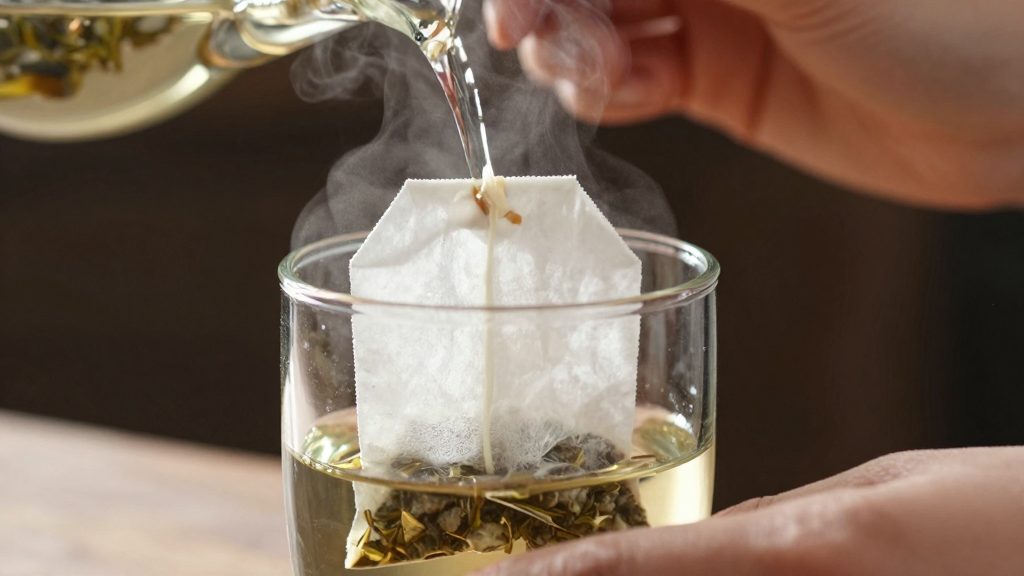
Soju vs. Tea Bags: Which one is more "to my taste"?
Here are 5 ways to enjoy tea more deeply.
The key factors determining the taste of soju are three main variables: alcohol content, flavor compounds, and the drinking environment.
How much alcohol are you consuming when you drink one bottle of soju?
Popular posts
Soju vs. Tea Bags: Which one is more "to my taste"?
Here are 5 ways to enjoy tea more deeply.
The key factors determining the taste of soju are three main variables: alcohol content, flavor compounds, and the drinking environment.

Comments 0