Here are 5 ways to enjoy tea more deeply.
To truly appreciate tea and savor its flavors and nuances for longer, simply brewing and drinking it is not enough. To fully experience the aroma and aftertaste of tea, a consistent approach to the environment, preparation method, and drinking attitude is essential. This article provides practical methods for transforming tea from a simple beverage into a small art form in your daily life.
Step 1: Define Your Criteria for Choosing Tea
The quality of tea can be assessed based on three key elements: 'color,' 'aroma,' and 'flavor balance.' Especially for beginners, it's easy to be swayed by the appearance or packaging design, which can lead you to miss the true value of a carefully selected tea. - Color: Check the moisture and light reflection of the dried tea leaves. Darker teas are usually well-stored, while those with a very bright appearance may not have undergone proper oxidation. - Aroma: The initial impression when you open the package is crucial. Teas with a distinct natural grassy or fruity aroma indicate careful attention to detail during the fermentation and drying processes. - Flavor Balance: Check if the 'sourness,' 'sweetness,' 'bitterness,' and 'delicacy' are well-balanced when you taste the tea. A balanced flavor results in a long, smooth aftertaste.
Tip: Before purchasing tea, it's best to determine your preferred 'aroma profile.' For example, if you enjoy teas with a strong grassy aroma, consider brands that offer natural aromas like 'Samjin Sipil' or 'Sanji Cha.'
Step 2: Precisely Match the Water Temperature and Amount
The taste of tea is significantly influenced by the water temperature and amount used. Too hot water can make green tea bitter, while too cold water may not fully extract the earthy notes or bitterness. - Green Tea: The ideal temperature range is 70-80°C. Using boiling water (100°C) can cause a large amount of catechins to dissolve, which can compromise the aroma. - Herbal Tea & White Tea: You can use 90-100°C, and white teas often benefit from higher temperatures to enhance their aroma. - Black Tea & Fermented Tea: Brewing at 100°C is necessary to fully develop the flavor.
The amount of water should also be approximately 150-200ml per teaspoon (about 2g) of tea. Using too much water will dilute the flavor, while using too little can result in an overly concentrated brew. It's helpful to develop the habit of comparing the size of your cup and the amount of tea you use.
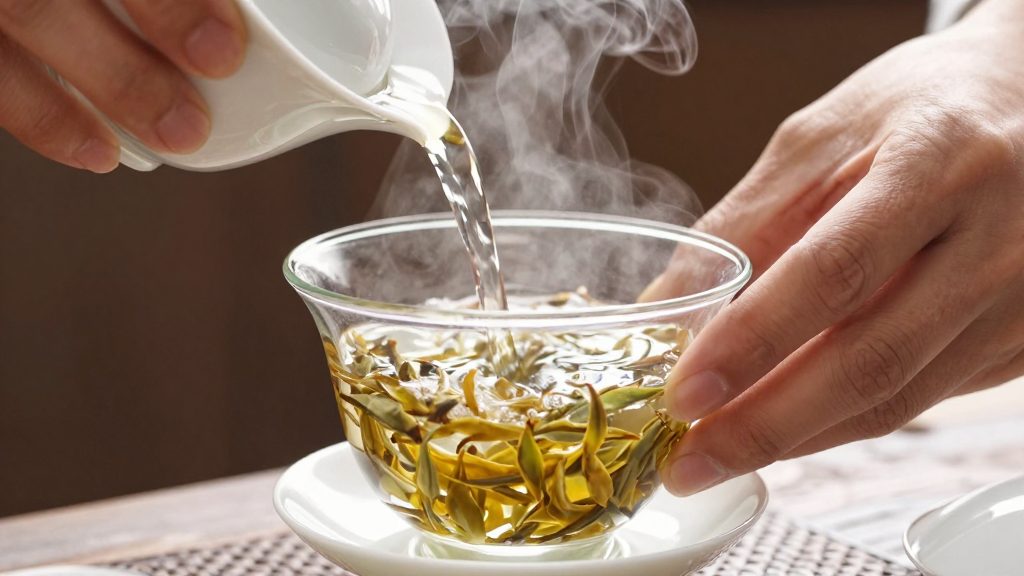
Tip: When pouring hot water, place the tea leaves in the cup first and then slowly pour the water over them. This prevents the tea leaves from being exposed to sudden temperature changes, which can preserve their quality.
Step 3: Regularly Check the Cleanliness of Your Materials and Tools
The taste of tea can be altered by the tools and water used. Especially with teapots, cups, and kettles that are used frequently, sediment or odors can build up, which can distort the aroma. - Before using a teapot, rinse it with boiling water for 2-3 minutes and then dry it thoroughly. - Cups should be washed and completely dried after each use. Especially glass or ceramic cups can absorb aromas from acidic water. - Clean only with a soft cloth – be careful not to let fibers from the towel get into the tea.
If you skip these steps, for example, a black tea's rich flavor might taste like a 'rotten smell.' This is often not due to the tea itself, but rather due to impurities that have accumulated in the tools.
Step 4: Be Mindful of Your Drinking Time and Posture
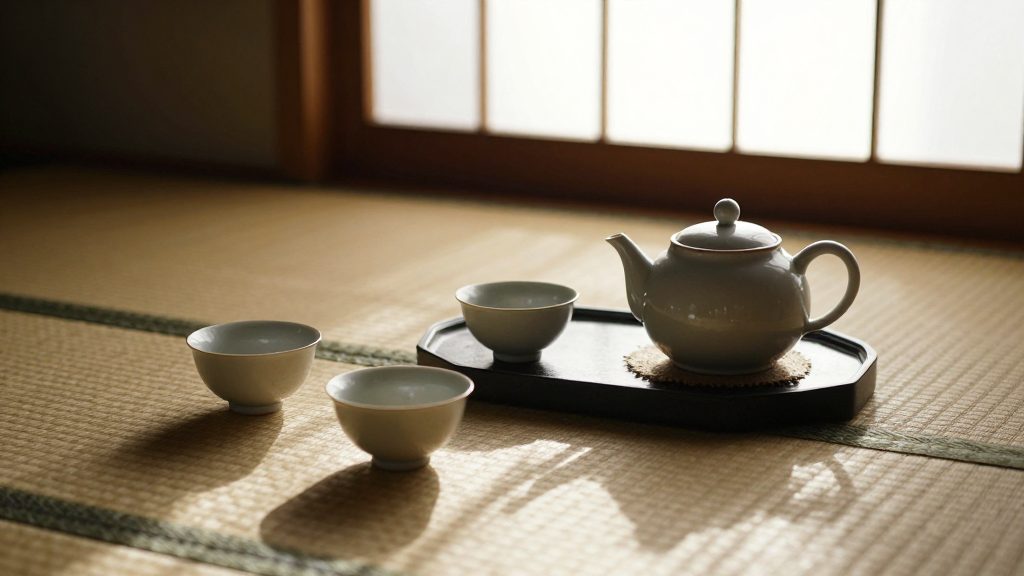
Tea is valuable in the 'moment of drinking.' However, if you drink it too quickly, you won't be able to appreciate the changes in flavor. - First Sip: Drink the tea after it has steeped for about 10-20 seconds. At this point, you'll experience the base flavor and the most delicate aroma. - Second Sip: After another 20-30 seconds, brew and drink again. The flavor will gradually change, the bitterness will decrease, and the sweetness will become more pronounced. - After the Third Sip: The tea will continue to steep, and the color will become deeper. The flavor at this point will have a different 'depth' compared to the initial taste.
When drinking, hold the cup with both hands to allow the warmth to permeate your hands. This is not just for comfort, but also has a psychological effect of synchronizing your inner rhythm with the tea.
Step 5: Record and Compare Aromas
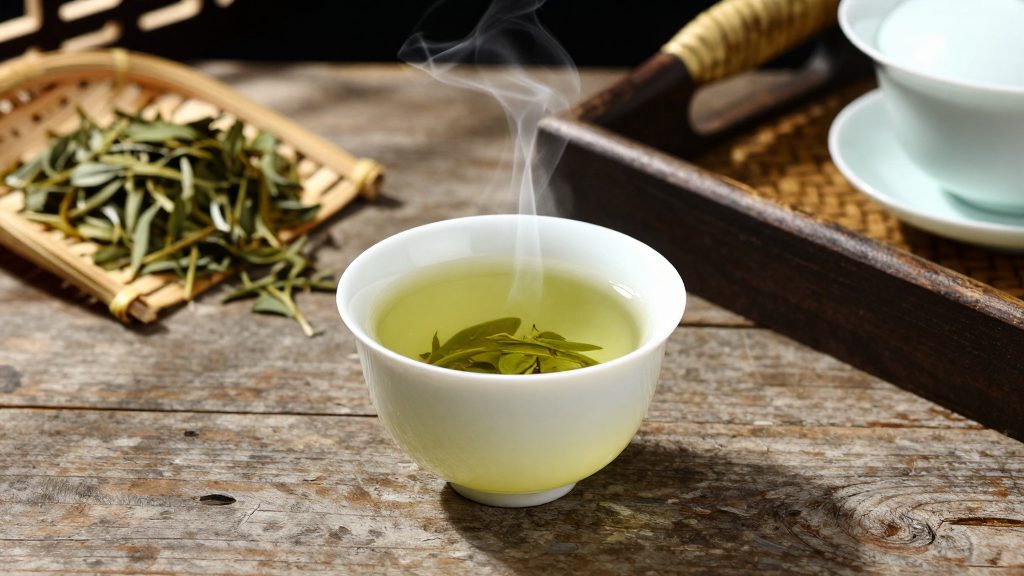
Since the taste of tea can be perceived differently by each person, keeping a record is essential for understanding your own preferences. - After each tea you drink, make simple notes in a notebook about the name of the tea, temperature, steeping time, and your flavor impressions. - Expressing yourself like "this time the sweetness was stronger" or "this aroma is different from yesterday" will help you recognize changes in your preferences over time. - If the aroma of a tea changes significantly between two days, it's possible that the storage environment is an issue.
By repeating this process, your preferences for 'the tea you like' will become more specific, and you'll develop criteria for choosing quality even when the environment changes.
To truly enjoy tea, you need more than just changing 'how you drink it.' It's about organizing the water, tools, time, and senses, and creating your own rhythm within them. That is the essence of 'tea culture.'
Related posts
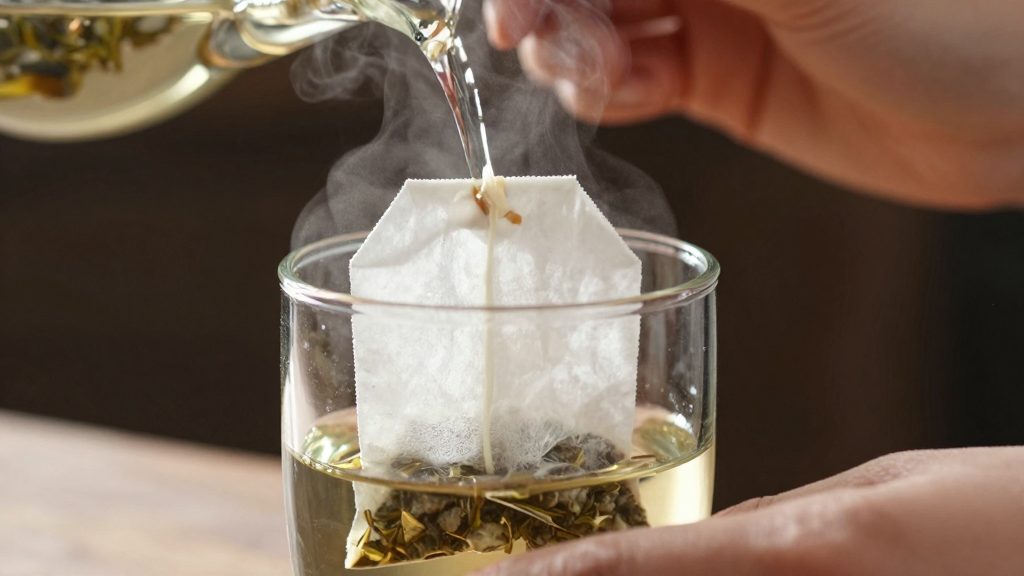
Soju vs. Tea Bags: Which one is more "to my taste"?
The key factors determining the taste of soju are three main variables: alcohol content, flavor compounds, and the drinking environment.
A bottle of soju: What's the difference between alcohol contents of 20% and 45%?
How much alcohol are you consuming when you drink one bottle of soju?
Popular posts
Soju vs. Tea Bags: Which one is more "to my taste"?
The key factors determining the taste of soju are three main variables: alcohol content, flavor compounds, and the drinking environment.
A bottle of soju: What's the difference between alcohol contents of 20% and 45%?

Comments 0