Soju vs. Tea Bags: Which one is more "to my taste"?
Soju and tea bags are both beverages commonly found in daily life, but they represent very different choices in terms of taste and intended use. Soju is an alcoholic beverage often enjoyed in social settings, but its strong flavor and high alcohol content can lead to negative effects with excessive consumption. In contrast, tea bags are non-alcoholic beverages that offer stress relief, improved focus, and a sense of calm in everyday life. They can be enjoyed in various flavors and preparations to suit individual preferences. In conclusion, if you seek "relaxation" in your daily life, tea bags are a more practical and sustainable choice. However, soju may be more appropriate in situations where a social atmosphere or a desire for something stronger is required.
Subheadings
1. Flavor Pairing: How do they complement food?
- Soju: Pairs well with savory, spicy, or greasy foods. It enhances the flavor of Korean grilled meats, stir-fried rice dishes, and snacks. However, if a dish has a very strong flavor, soju can sometimes overwhelm it.
- Tea Bags: Offer more subtle pairings with food. A cup of tea brewed in hot water can cleanse the palate after a spicy meal and reduce digestive discomfort. It also complements cold dishes, stimulating appetite.
✅ Key Point: While soju can enhance the intensity of flavors, tea bags are more effective at complementing and balancing the overall taste of a meal.
---
2. Convenience in Daily Life: Preparation and Storage
- Soju: Once opened, soju can lose its flavor and aroma over time. It should be stored away from direct sunlight and high temperatures. While refrigeration is recommended, long-term storage can still be limited.
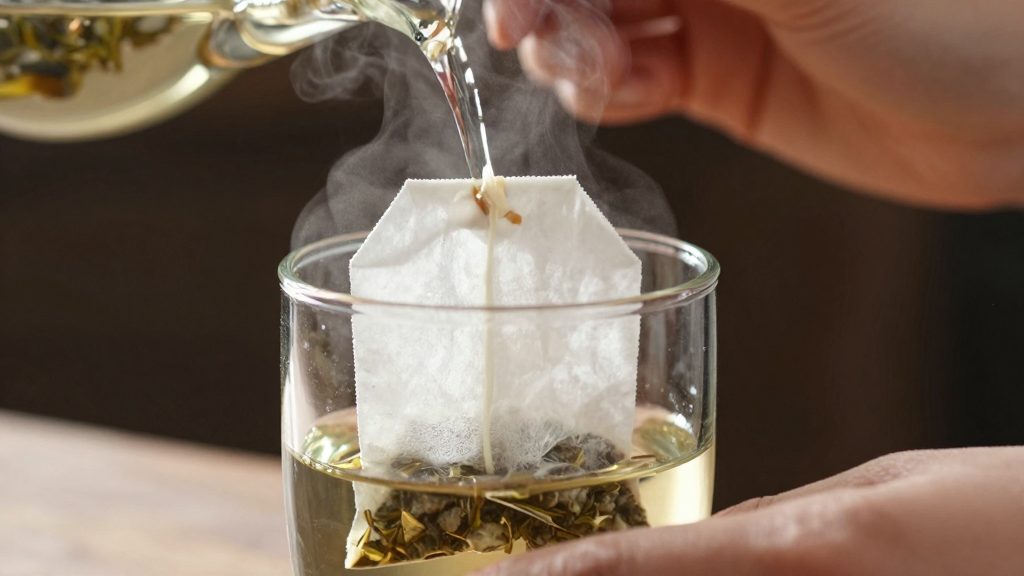
- Tea Bags: Can be stored for extended periods without refrigeration, maintaining their quality when kept in a cool, dry place. Preparation is quick and easy, requiring only hot water for 3-5 minutes. Disposing of used tea bags is also convenient, generating minimal waste.
✅ Key Point: Tea bags offer superior "low-maintenance" convenience in terms of preparation and storage. They are particularly suitable for situations where time is limited, such as during commutes or when focused work is required.
---
3. Emotional Impact: How do they affect your mood?
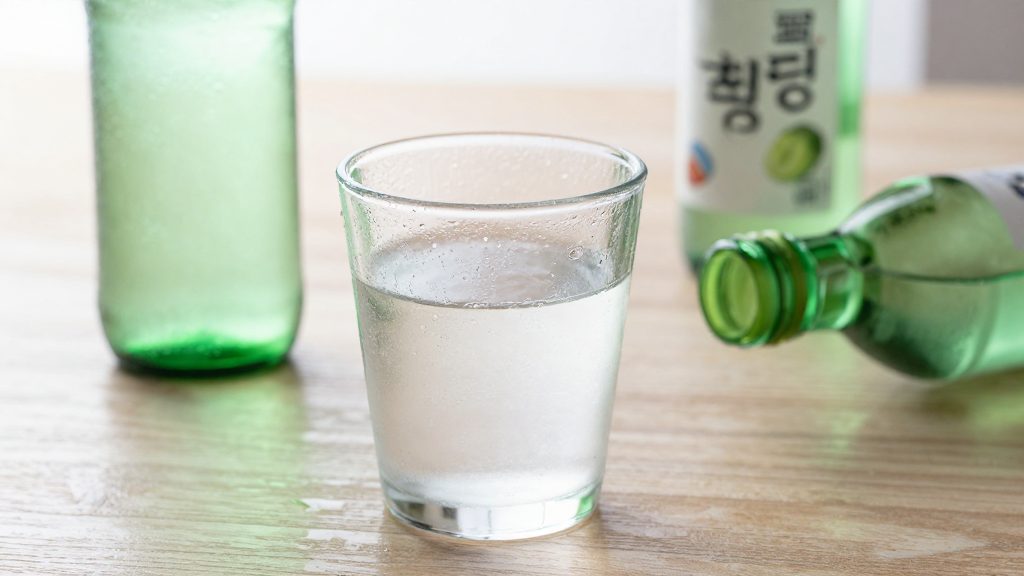
- Soju: Can provide a quick sense of relaxation, but excessive consumption can lead to anxiety, restlessness, or impaired concentration the next day. It may not be suitable for those seeking a consistently relaxed state, and mood changes can be significant before and after drinking.
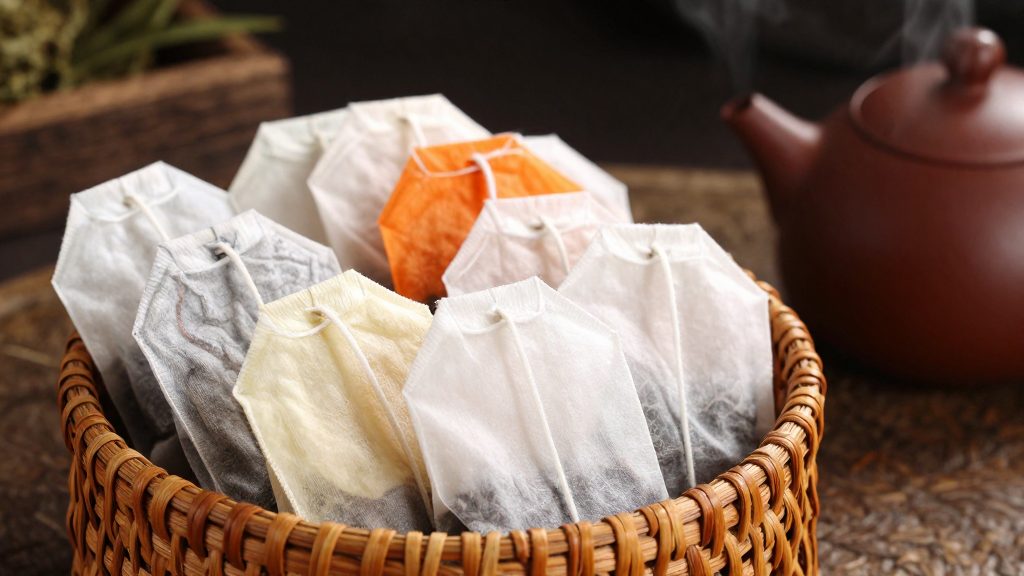
- Tea Bags: Depending on the caffeine content, most tea bags offer a mild stimulating effect that can improve focus and reduce stress. Drinking tea in the morning or afternoon can create a sense of mental clarity.
✅ Key Point: When experiencing unstable moods or stress, tea bags can serve as a more stable tool for emotional regulation.
---
4. Cost and Sustainability: Long-term cost-effectiveness
- Soju: A bottle typically costs between 2,000 and 4,000 won. If consumed 1-2 times per week, the monthly cost can easily exceed 5,000 won. The disposal of empty bottles should also be considered, contributing to a significant environmental impact.
- Tea Bags: A box of 100 tea bags costs approximately 15,000 won. If used at a rate of 1-2 bags per day, the box will last for over 50 days. When used with reusable teacups, tea bags are more environmentally friendly and significantly more cost-effective in the long run.
✅ Key Point: If you spend over 30,000 won per month on beverages, tea bags offer greater long-term cost-effectiveness.
---
| Feature | Soju | Tea Bag |
|---|---|---|
| Flavor Pairing | Complements spicy and savory dishes, enhancing intensity | Cleanses palate after meals, balances flavors |
| Preparation & Storage | Quality degrades quickly once opened, requires refrigeration | Long-lasting, only needs hot water for preparation |
| Emotional Impact | Quick relaxation, risk of negative side effects with excessive consumption | Mild stimulation, reduces stress and improves focus |
| Cost & Sustainability | Requires regular purchases, significant environmental impact | Long-lasting, lower material costs and reduced waste |
---
Recommended For:
- People who feel down in the morning or experience a drop in concentration in the afternoon: Tea bags offer a gentle, caffeine-infused boost to start your day.
- People who frequently experience drowsiness or headaches after drinking alcohol: Tea bags provide a relaxing alternative without the negative effects of alcohol.
- People who prioritize environmental protection and cost savings: Tea bags, when used with reusable tools, reduce waste and lower long-term expenses.
- People who are overly reliant on soju: Tea bags can be a helpful psychological transition towards healthier habits.
---
Overall Summary: If you seek relaxation in your daily life, tea bags can be a more realistic "mental shortcut" than soju.

Comments 0