Best tea tools guide for beginner tea tool setup
"A great cup of tea begins long before the water hits the leaves; it starts with the tools used to coax flavor from the harvest."
Choosing the right tea tools requires balancing convenience with the specific needs of your preferred leaf type. This guide explores essential brewing gear, from kettles to teapots, to help you select equipment that suits your lifestyle.
Key takeaways include understanding the distinction between temperature control and infusion vessels, matching tools to leaf volume, and recognizing how different materials affect the final cup.
What essential tools do I need to start brewing tea? At dawn in the dim kitchen, I run my fingers over the smooth ceramic, realizing that even basic tools can transform a morning ritual.
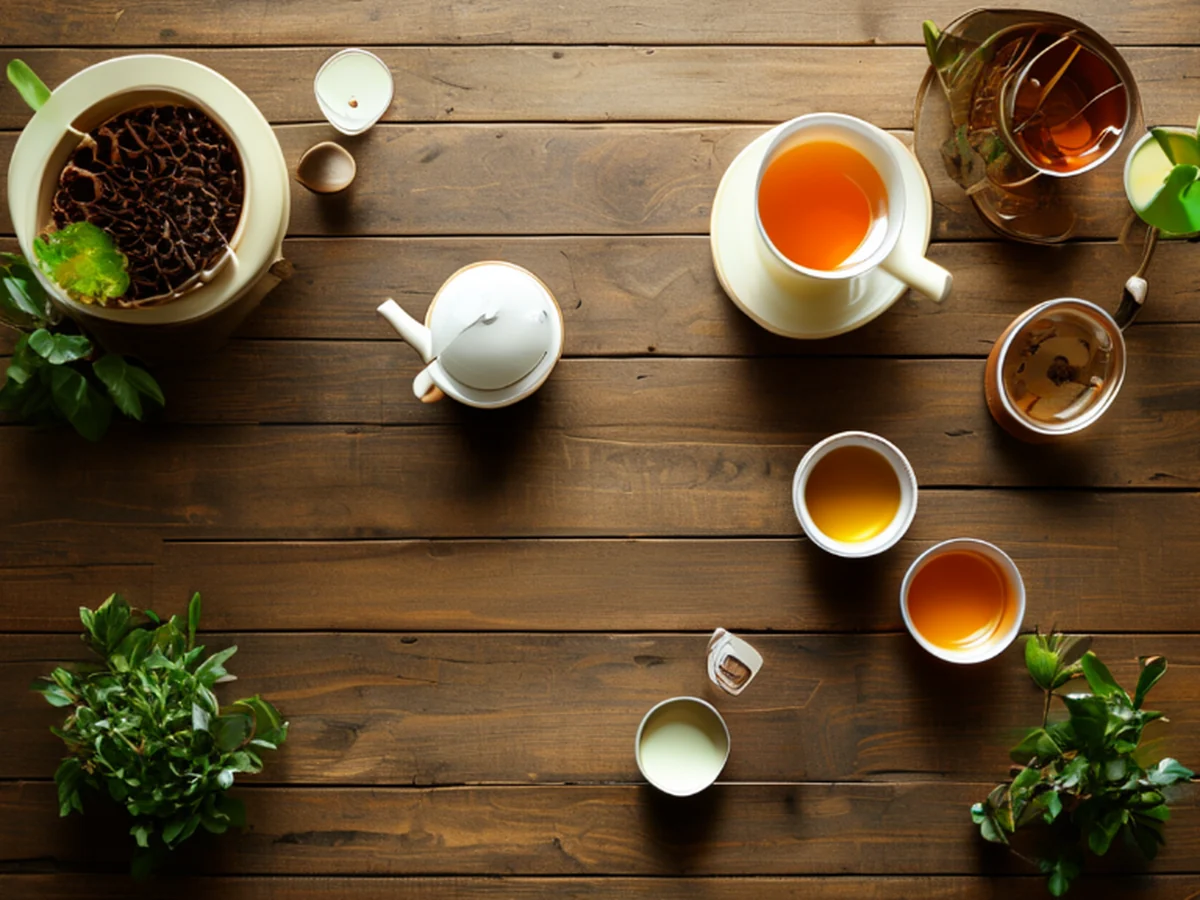
In a quiet kitchen, a person reaches for a heavy kettle to boil water for a morning brew. Selecting the right starter kit involves focusing on basic heat management and a reliable way to separate leaves from water.
For those starting a collection, the primary requirements are a way to boil water and a vessel to steep the leaves. A kettle provides the heat, while a teapot or a simple infuser handles the infusion.
Choosing versatile tools allows you to experiment with various tea types without a massive initial investment.
The focus should be on durability and ease of cleaning. Many beginners find that a simple teapot with a built-in strainer or a separate infuser works best for daily use. This setup allows for quick cleanup and prevents the tea from over-steeping.
How does a kettle affect the brewing process? Best tea tools guide
Steam rises from the spout of a whistling kettle as the water reaches a rolling boil. Temperature precision is one of the most critical factors in extracting the delicate flavors from tea leaves.
The kettle serves as the foundation of the brewing process by providing the necessary thermal energy. While a standard kettle boils water, advanced models allow for specific temperature settings that prevent scalding delicate leaves.
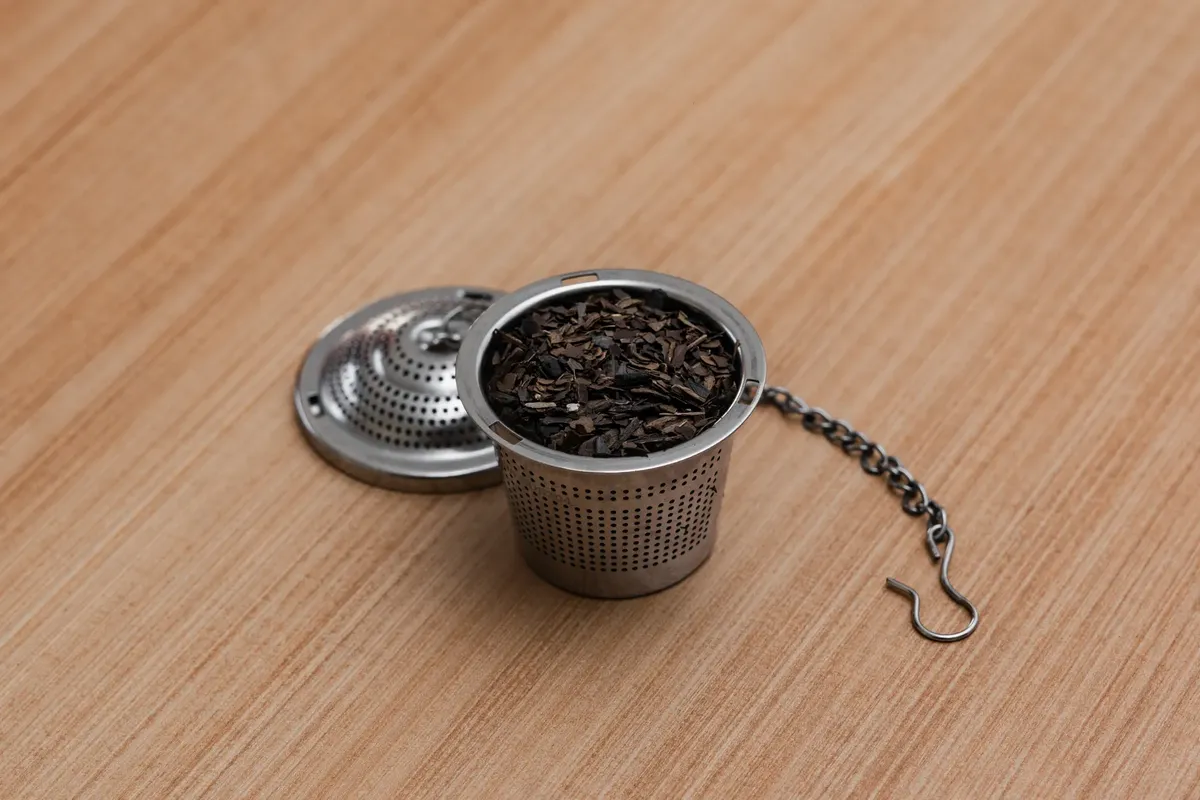
Using the correct temperature ensures that you do not burn the leaves, which can lead to excessive bitterness.
Different teas require different heat levels to release their unique profiles. For instance, green teas often require cooler water than black teas to maintain a smooth taste. A kettle that allows for temperature adjustment can significantly improve the consistency of your daily cup.
Should I use a teapot or a single-cup infuser?
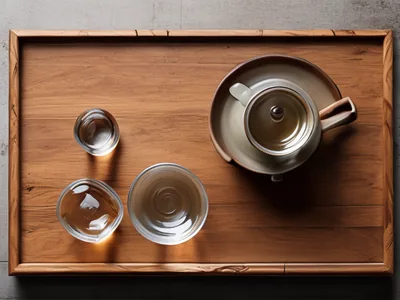
A hand reaches for a ceramic teapot to pour a steady stream into small cups during a quiet afternoon. The choice between a large teapot and a personal infuser depends largely on how much tea you intend to drink at once.
A teapot is ideal for social settings or when you want to prepare a larger volume of tea to last through a session. It provides a stable environment for the leaves to expand and interact with the water. Most teapots come with built-in strainers to manage the leaves effectively.
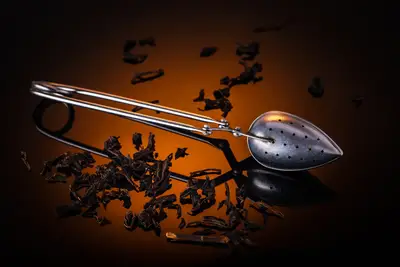
In contrast, a single-cup infuser is designed for individual use and portability. These tools are often smaller and fit directly into a mug, making them perfect for office environments or solo moments. They offer a more direct way to control the strength of a single serving.
| Tool Type | Primary Use Case | Best For |
|---|---|---|
| Teapot | Multiple servings | Social gatherings and larger volumes |
| Infuser | Single servings | Individual use and portability |
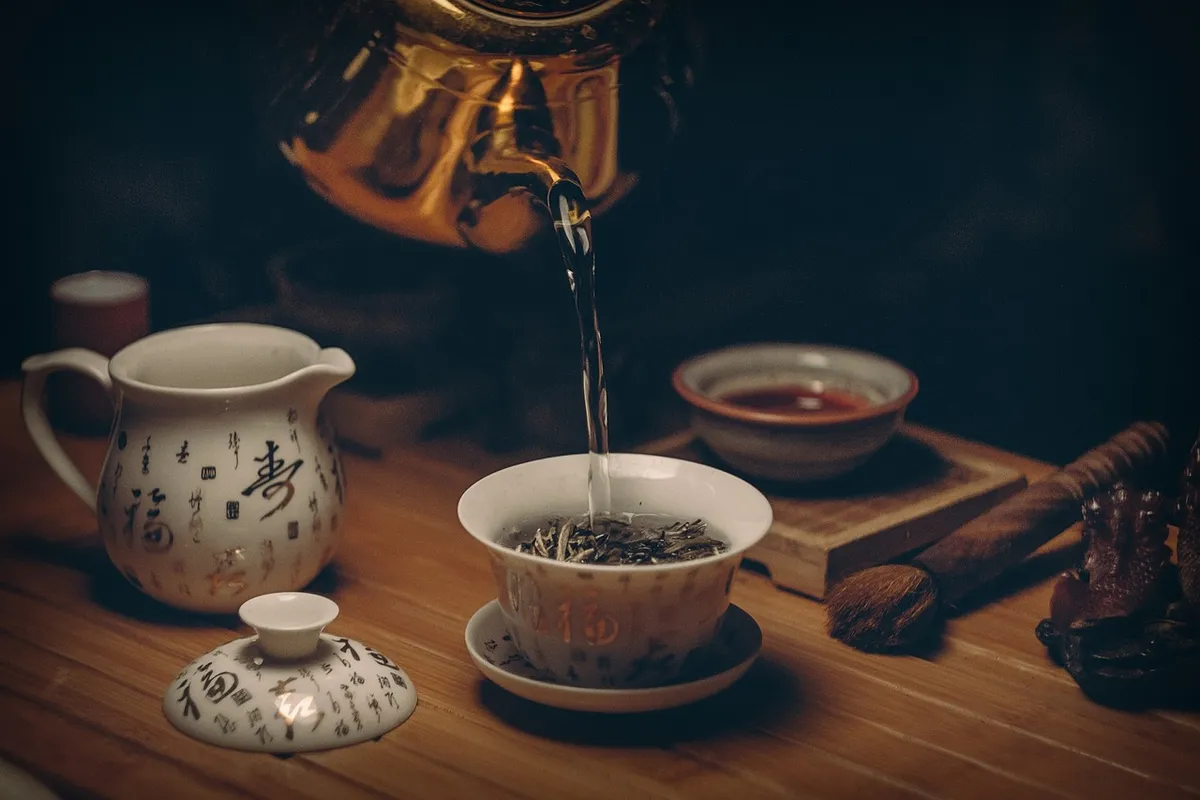
I find that using a teapot for my morning ritual helps me manage the brewing time more effectively than using a small infuser.
How do different materials impact tea flavor?
A finger traces the smooth surface of a porcelain teapot, noting its weight and texture. The material of your brewing tools can subtly influence the temperature retention and the taste of the tea.
Ceramic and porcelain are popular choices because they are neutral and do not impart flavors to the tea. These materials also hold heat well, which is helpful for longer steeping times. They are easy to clean and visually appealing for many tea enthusiasts.
Glass tools offer a different experience, allowing you to watch the leaves unfurl and dance in the water. While beautiful, glass can be more fragile and may lose heat faster than thicker ceramic. Metal tools, such as stainless steel, are extremely durable and excellent for rapid heating.
What are the steps for proper tea tool maintenance?
A person carefully rinss a used teapot under warm running water to prepare it for the next use. Proper maintenance ensures that your tools remain hygienic and that old tea residues do not ruin future brews.
- Rinse all tools immediately after use to prevent tea stains and residue buildup from hardening. 2. Wash delicate items like porcelain or glass with mild soap and warm water to avoid scratches. 3. Dry all equipment thoroughly before storage to prevent the growth of mold or lingering dampness.
Always perform a final check to ensure no tea particles remain in the strainers or spouts. This prevents clogs and ensures that the water flow remains smooth during your next brewing session.
Is there a limitation to tool selection?
A person looks at a crowded cupboard filled with various tea gadgets, realizing not every tool is necessary. While specialized equipment can enhance certain experiences, it is not always required for a good cup.
According to USDA FoodData Central, official USDA FoodData Central data provides verified nutritional data per 100g.
The limitation of specialized tools is that they often require specific conditions or high maintenance to be effective. For example, highly precise temperature-controlled kettles are useful but may be overkill for someone who primarily drinks robust black teas.
Using overly complex tools can sometimes distract from the simple joy of tea drinking.
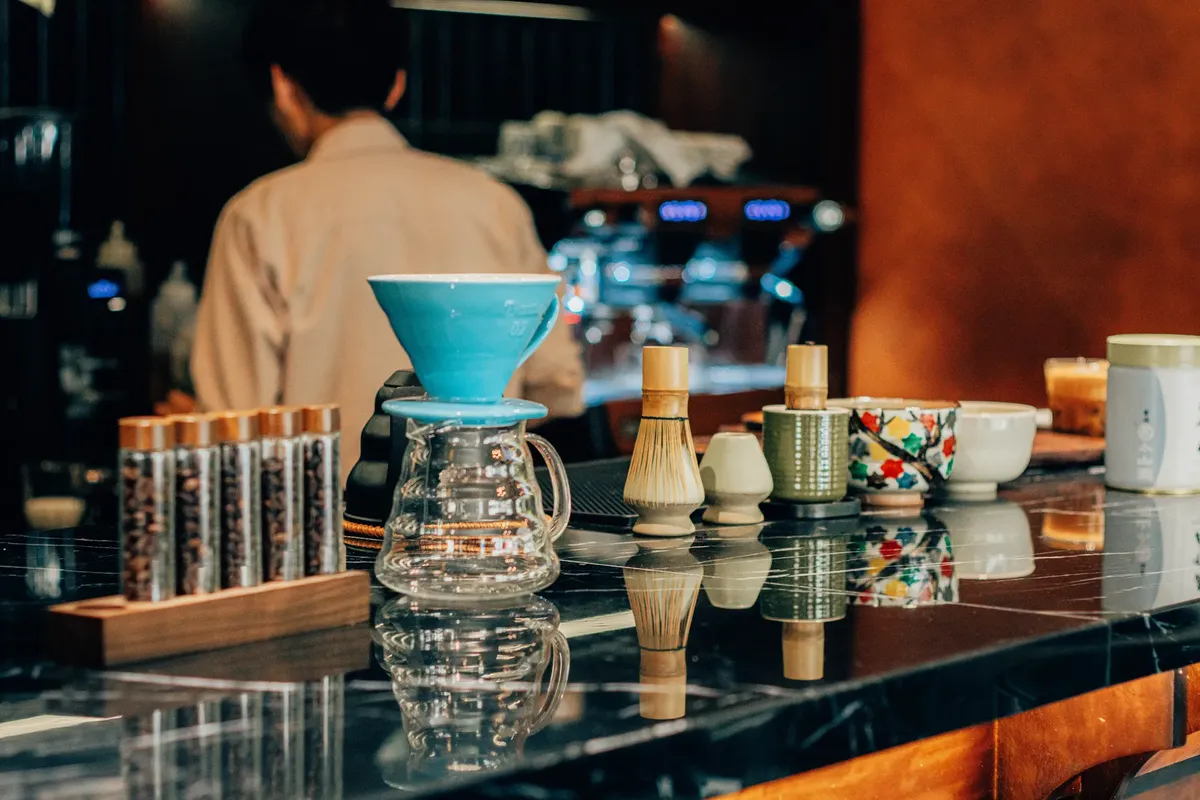
The effectiveness of any tool is ultimately limited by the quality of the tea and the water used. Even the most expensive kettle cannot compensate for poor-quality leaves or tap water with heavy mineral content. Focus on functional, high-quality basics first before expanding into specialized gear.
- What essential tools do I need to start brewing tea?
- How does a kettle affect the brewing process?
- Should I use a teapot or a single-cup infuser?
The subject here is Best tea tools guide.
The same subject is also called Tea brewing gear guide.
The same subject is also called Perfect tea set choice.
The same subject is also called Tea tool selection tips.
The same subject is also called What tea tools to buy.
This part also covers Beginner tea tool setup.
This part also covers Tea utensil material guide.
This part also covers How to clean tea tools.
Beginner tea tool setup
Related
Comments 0