Cardamom: Why 100g Contains 311kcal of Energy
"The scent of crushed cardamom pods can transport you to a spice market in seconds." According to FoodData Central, 100g of cardamom contains 311kcal of energy, 68.5g of carbohydrates, and 1120mg of potassium.
To understand the true depth of tea culture, one must look beyond the leaves and into the spices that define its character. This guide explores the essential spices used in tea blending and culinary traditions, offering a way to elevate your home brewing through precise spice knowledge.
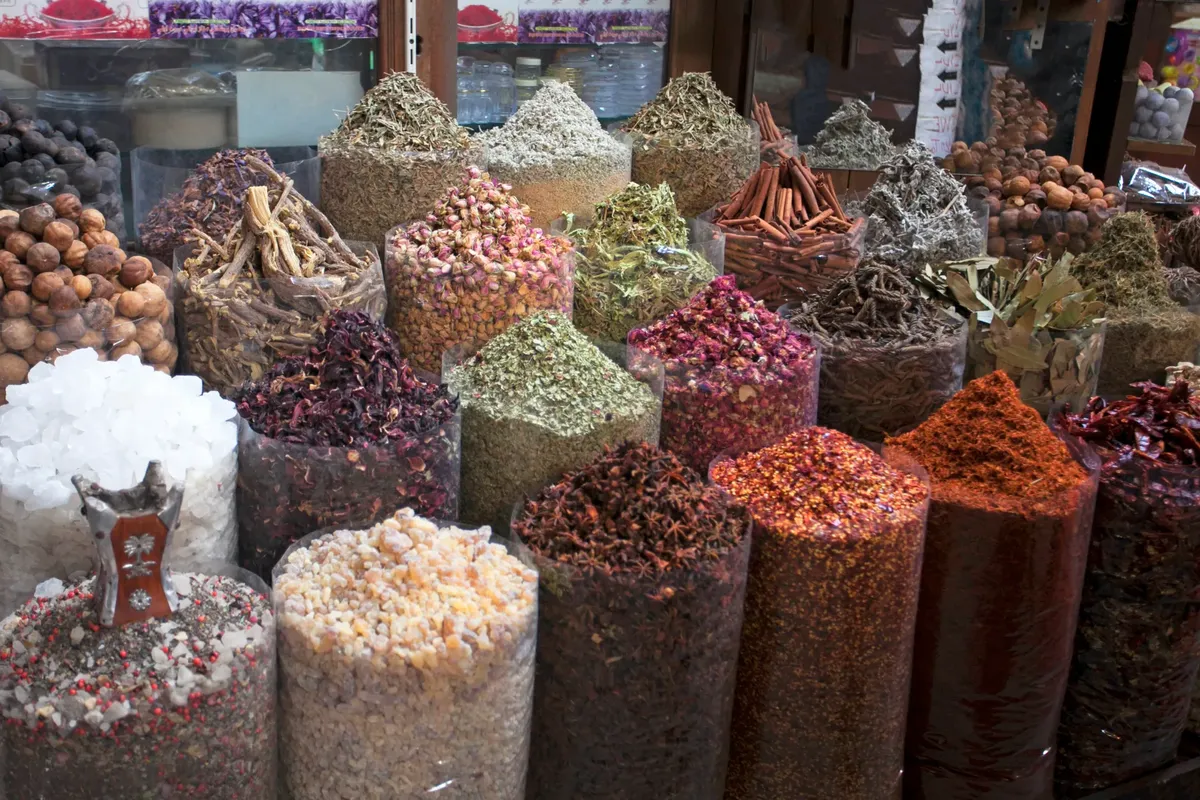
* Learn the nutritional profiles of staple spices like cardamom and coriander. * Understand how to balance strong spices in tea blends. * Discover practical ways to use seeds and pods in your daily ritual.
Why does the aroma of cardamom dominate my tea?
I stood in my kitchen this morning, crushing a few green cardamom pods in a heavy stone mortar, watching the tiny black seeds spill out like dark pearls. The sharp, eucalyptus-like scent immediately filled the room, signaling the start of a fresh batch of spiced tea.
Cardamom is one of the most potent aromatics used in tea, particularly in masala chai. Its intensity comes from essential oils that can easily overwhelm delicate tea leaves if not handled with care.
Because it is so strong, using it requires a balance of quantity and timing to ensure the spice complements rather than masks the tea.
These nutritional elements are often released into the water during the boiling process, making the spice a functional part of the beverage.
The high concentration of aromatic compounds means a little goes a long much further than one might expect when brewing.
When I am preparing a morning infusion, I often toast the pods slightly before crushing them to release the oils. This technique ensures the flavor penetrates the water quickly. If you find your tea too medicinal, you may be using too much of the crushed pod.
How can coriander seeds add depth to a brew?
I sat at my wooden dining table, holding a handful of dried coriander seeds, observing their pale, golden-brown hue under the sunlight. The earthy, slightly citrusy scent of the seeds offered a much softer profile than the cardamom I had used earlier.
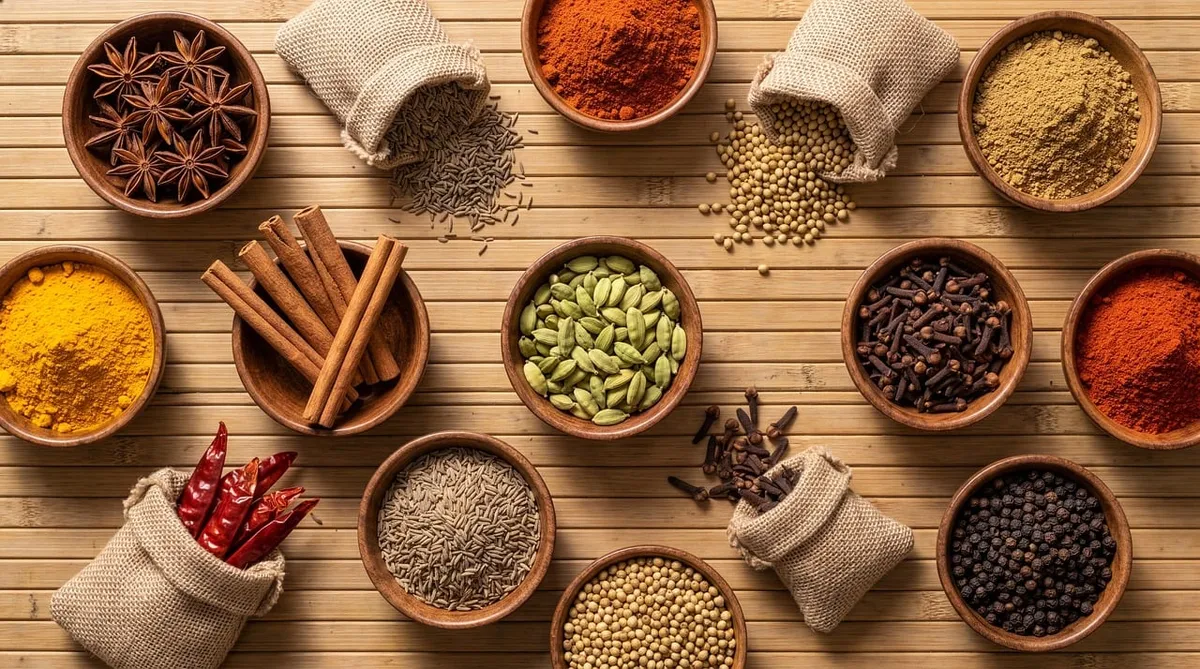
Coriander seeds serve as a wonderful grounding element in complex tea blends. While cardamom provides the high notes, coriander provides a subtle, savory base that prevents the tea from feeling too sharp or one-dimensional.
It is an excellent choice for those who prefer a more nuanced, less aggressive spiced tea.
According to FoodData Central, 100g of coriander seed contains 298kcal of energy, 55g of carbohydrates, and 12.4g of protein. The seeds also provide 1270mg of potassium and 709mg of calcium per 100g.
These subtle flavors work well in infusions that use lighter tea bases, such as green tea or white tea, where a heavy spice would be too much.
I once tried a blend where the coriander was ground too finely, which turned the tea cloudy and slightly gritty. To avoid this, I recommend using whole seeds and gently bruising them to release flavor without creating a muddy texture in the cup.
Comparing the nutritional profiles of essential spices
When selecting spices for your tea-making kit, it is helpful to see how they compare in terms of their chemical and nutritional makeup. This can help you decide which spices to use for a lighter versus a more substantial infusion.
According to the EFSA, a dried extract of Korean ginseng was declined because the manufacturer could not provide data on its complete composition.
According to the Food and Drug Administration, there is no substantial evidence that ginseng is effective for treating any medical condition.
| Nutrient (per 100g) | Cardamom | Coriander Seed |
|---|---|---|
| Energy (kcal) | 311 | 298 |
| Carbohydrates (g) | 68.5 | 55 |
| Protein (g) | 10.8 | 12.4 |
| Potassium (mg) | 1120 | 1270 |
| Calcium (mg) | 383 | 709 |
| Iron (mg) | 14 | 16.3 |
I noticed that while both spices offer significant nutritional value, their flavor profiles are vastly different. This table illustrates why they are often used in different roles within a tea blend.
How do I master the art of spice-infused tea?
I watched the steam rise from my teapot, carefully adding a pinch of ground cardamom to the boiling water while keeping the coriander seeds whole in a separate strainer. This layering technique is the key to preventing the spice from dominating the entire pot.
To create a balanced spiced tea at home, follow these three steps:
- Toast your whole spices in a dry pan over medium heat for two to three minutes until they become fragrant. 2.t Crush the harder pods or seeds slightly to release the internal oils but keep the bulk of the spice intact to prevent sediment. 3. Simmer the spices in water first to create a concentrated "spice tea" before adding your tea leaves or tea bags.
After the infusion is complete, I always check the clarity of the liquid. If the tea is too dark or cloudy, it likely means the spices were ground too finely or boiled for too long.
What are the limitations of using heavy spices in tea?
I looked at my clear glass teacup, disappointed that the bright amber color of my black tea had been turned into a murky brown by an over-reliance on ground spices. The visual appeal of the tea is often the first thing lost when spice ratios are incorrect.
A dried extract of Korean ginseng was declined by the EFSA, since its manufacturer cannot provide data on its complete composition.
The primary limitation of using heavy spices like cardamom or coriander is the risk of flavor masking. If the spice concentration is too high, the unique characteristics of the tea leaf—such as the floral notes of a Darjeeling or the malty sweetness of an Assam—will be completely lost.
One specific condition to watch for is the temperature of your water. If you use boiling water for delicate green teas while adding heavy spices, the heat will cause the spices to release tannins and bitter compounds much faster than intended.
This can result in a brew that is both bitter and overwhelming.
- Why does the aroma of cardamom dominate my tea?
- How can coriander seeds add depth to a brew?
- Comparing the nutritional profiles of essential spices
Related



Comments 0