Matcha Guide: Get 100% Nutrient Absorption via Shading
A cup of vibrant green liquid isn't just a drink; it’s a ritual of mindfulness that brings a moment of Zen to a chaotic day.
Matcha is far more than just powdered green tea—it is the result of consuming the entire tea leaf, allowing you to absorb 100% of its natural nutrients. Unlike traditional steeped tea where you discard the leaves, matcha provides a concentrated dose of antioxidants and L-theanine that fuels both body and mind.
* Shaded Cultivation: The secret to its color and flavor lies in shading the plants before harvest to boost amino acids. * Nutritional Powerhouse: Because you ingest the whole leaf, it offers significantly higher antioxidant levels than standard green tea. * The Art of Whisking: Using a bamboo whisk (*Chasen*) creates a creamy micro-foam that defines the true matcha experience. * Versatile Wellness: From ceremonial bowls to iced oat milk lattes, it fits seamlessly into any modern lifestyle.
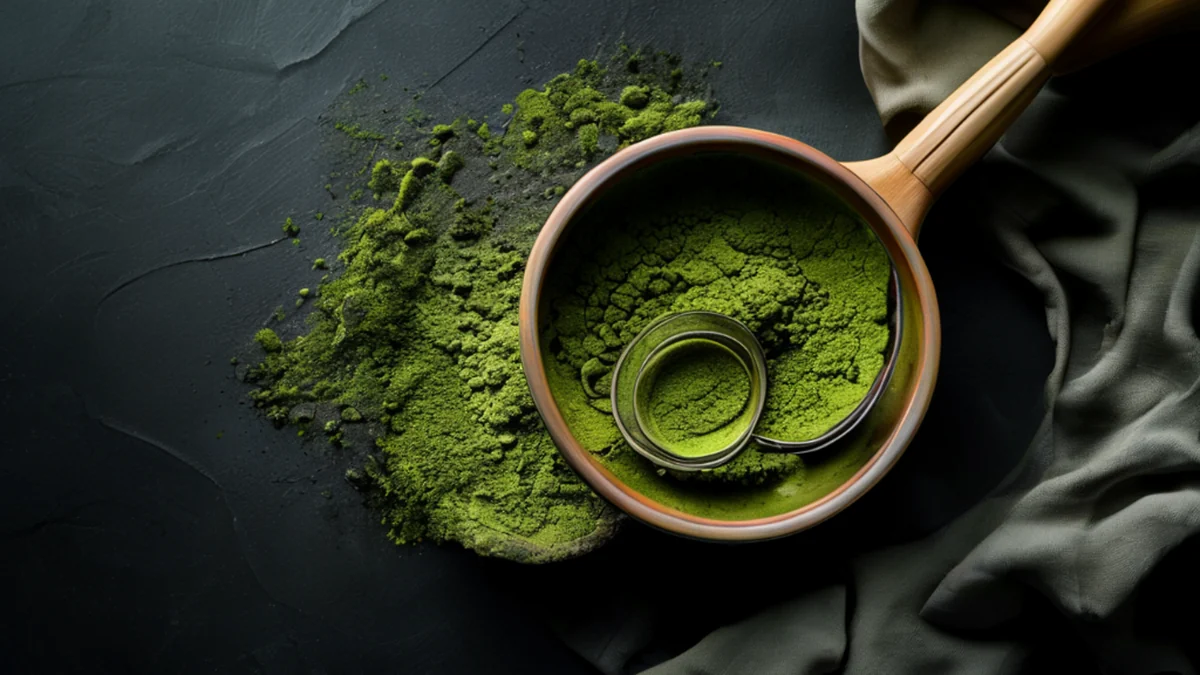
What is the real difference between Matcha and Green Tea?
It’s easy to glance at a grocery shelf and assume "green tea powder" and "matcha" are interchangeable, but they are worlds apart in both production and consumption. The distinction starts long before the tea reaches your cup.
The most critical factor is shade-growing. Traditional matcha production involves covering the tea bushes with shade cloths for about 20 to 30 days before harvest. This process restricts sunlight, forcing the plant to ramp up chlorophyll production (giving it that electric green color) and converting bitter catechins into L-theanine, which provides that signature "umami" sweetness.
I remember the first time I tasted high-quality ceremonial matcha; unlike the astringent, grassy taste of my cheap supermarket green tea, this was velvety and naturally sweet on the finish. I had spent months drinking lukewarm Sencha from tea bags, thinking I was getting all the benefits, only to realize I was missing out on the depth that comes from the shade-grown process.
Then there is the consumption method. When you brew a cup of Sencha or standard green tea, you are steeping the leaves in hot water and then discarding them. With matcha, you are whisking finely stone-ground powder directly into the water. You aren't just tasting the infusion; you are consuming the entire leaf, which fundamentally changes the nutritional profile.
Why is the world obsessed with #Matcha?
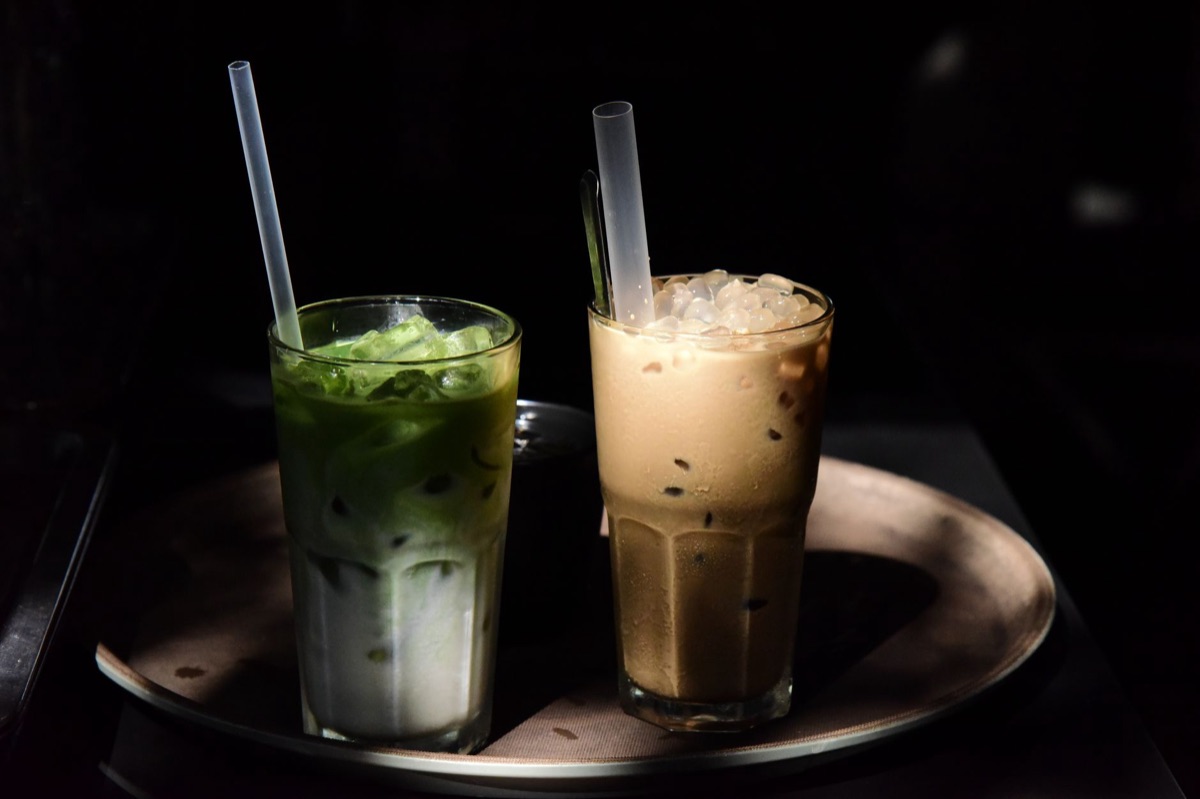
If you’ve spent any time on Instagram or TikTok lately, you’ve seen the aesthetic "matcha latte" posts—perfectly layered green and white hues that look almost too good to drink. However, this isn't just a visual trend; it reflects a massive shift toward functional wellness.
According to Statista's 2023 market reports, the demand for "superfood" ingredients within the global tea market is seeing consistent double-digit growth as consumers pivot toward health-conscious beverage alternatives. People aren't just looking for caffeine; they are looking for *better* energy.
The primary driver is the unique synergy between caffeine and L-theanine. While coffee often leads to a jittery spike followed by a mid-afternoon crash, matcha provides what many call "calm alertness." The L-theanine in the tea slows the absorption of caffeine, providing a steady, sustained energy lift without the heart palpitations or anxiety often associated with espresso. It is the perfect tool for anyone looking to manage stress while staying productive.
Mastering the Ritual: Essential Tools and Whisking
To experience matcha as it was intended, you have to move beyond the electric milk frother. While a handheld wand is fine for a quick latte, it cannot replicate the texture of traditional whisking, or *Chasen-toshi*.
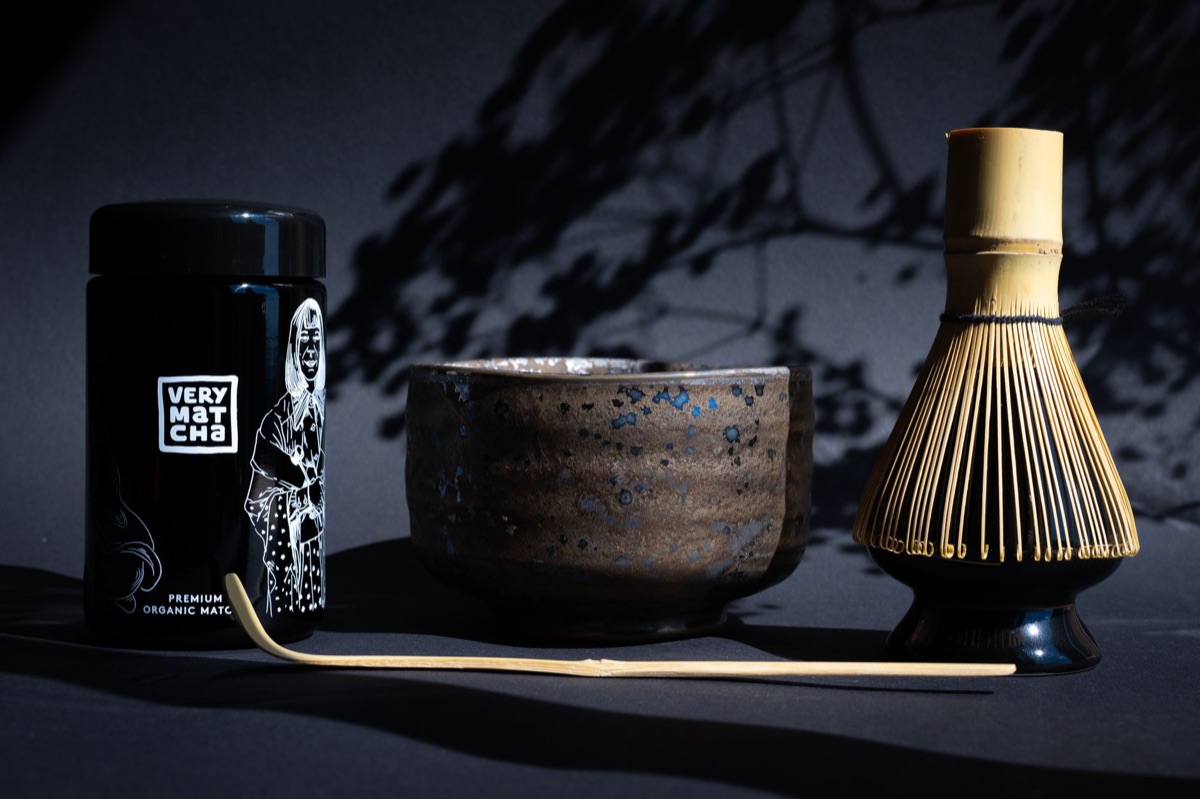
If you want to elevate your home cafe, these are the three essential tools:
- Chawan (Tea Bowl): A wide, deep ceramic bowl that holds heat well and allows enough room for vigorous whisking.
- Chasen (Bamboo Whisk): Carved from a single piece of bamboo into delicate tines. I’ve tried using cheap plastic whisks before, but they simply cannot create the dense, creamy micro-foam that a real bamboo *chasen* produces. In my experience, if you don't use a real whisk, you end up with "tea soup" rather than a frothy, luxurious beverage.
- Chashaku (Tea Scoop): A slender bamboo spoon used to measure out the precise amount of powder.
The technique is almost meditative. You start by pouring hot water into your empty bowl to soften the bamboo whisk. After discarding the water, you add your matcha and a small amount of hot—but not boiling—water. Using your wrist, move the whisk in a rapid "W" or "M" motion. The sound of the bamboo hitting the ceramic is rhythmic and soothing, turning a morning caffeine fix into a moment of mindfulness.
The Science: L-theanine and Antioxidant Density
When you drink matcha, you are essentially consuming a concentrated dose of nature's best defense mechanisms. Because the leaves are shaded, they possess a chemical composition that steeped tea simply cannot match.
The superstar ingredient is L-theanine, an amino acid known to increase alpha brain waves, which promotes relaxation without drowsiness. This is why many professionals use matcha as a cognitive enhancer. Additionally, matcha is incredibly dense in catechins, a type of polyphenol that acts as a powerful antioxidant.
Research published in journals such as the *Journal of Chromatography A* has highlighted how the unique processing of green tea powders can significantly alter the bioavailability of these antioxidants compared to traditional infusion methods.
| Nutrient Component | Matcha (Whole Leaf) | Standard Green Tea (Steeped) |
|---|---|---|
| Antioxidant Absorption | Extremely High (100%) | Moderate (Partial infusion) |
| L-theanine Content | Very High (due to shading) | Lower |
| Caffeine Delivery | Slow & Sustained | Rapid Spike/Crash potential |
| Chlorophyll Level | Intense Green | Pale Yellow/Green |
*A Note on Limitations: While matcha is a nutritional powerhouse, it is important to approach it with balance. Because you are consuming the whole leaf, you may also be ingesting higher levels of fluoride or heavy metals if the tea was grown in soil with high concentrations of these elements. To mitigate this, always source high-quality, organic ceremonial grade matcha from reputable Japanese producers.*
Modern Matcha Recipes for Your Home Cafe
You don't need to be a tea master to enjoy the benefits. High-quality brands like Fortnum & Mason or specialty matcha importers make it easy to bring premium ingredients into your kitchen.



Comments 0