Light Oolong Tea Guide: Tips for light oolong 175°F
"The beauty of oolong lies in its ability to dance between the freshness of green tea and the depth of black tea, offering a delicate profile that evolves with every steep."
The Light Oolong Tea Guide is designed for those seeking a refreshing, aromatic beverage that avoids the heavy tannins of darker teas. This guide covers the essential characteristics of light oolong, the best brewing methods for light tea, and how to identify subtle flavor profiles.
You will learn to navigate the delicate balance of temperature and timing, though please note that flavor results vary significantly depending on the specific cultivar and oxidation level of the leaves used. 1. Understanding the oxidation spectrum of oolong. 2. Mastering water temperature for delicate leaves. 3. The importance of short, multiple infusions. * Identifying floral and creamy notes.
What makes light oolong so unique?
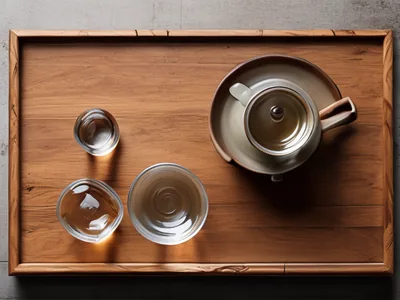
You sit at a wooden table, watching the dried, tightly rolled leaves unfurl in a clear glass vessel. The water shifts from crystal clear to a pale, shimmering gold as the scent of spring flowers begins to rise. This lightness is the defining feature of the category.
Light oolong sits on the lighter end of the oxidation scale, often sharing characteristics with green tea while maintaining the complexity of semi-oxidized leaves. Unlike heavy, roasted oolongs that smell of toasted nuts or caramel, these varieties prioritize floral, fruity, and creamy notes.
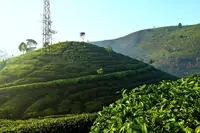
Finding fresh oolong for beginners often means looking for varieties that emphasize high-mountain aromatics.
The sensory experience is defined by a clean finish and a lack of astringency. When you practice enjoying subtle oolong aroma, you notice how the scent lingers in the air long after the first sip. This category is ideal for midday refreshment when a heavy tea might feel too taxing on the palate.
How to brew light tea effectively? Light Oolong Tea Guide
The kettle whistles softly in the kitchen as you pour steaming water into a small porcelain gaiwan. You watch the steam swirl, careful not to let the water boil too vigorously, as extreme heat can scald the delicate leaves.
To achieve the best brewing method for light tea, you must control two primary variables: temperature and time. Because these leaves are less oxidized, using boiling water can result in a bitter cup that masks the intended floral notes.
Instead, aim for water that is slightly below boiling to preserve the sweetness.
| Variable | Recommended Setting | Purpose |
|---|---|---|
| Water Temperature | 175°F – 185°F | Prevents bitterness |
| Steeping Time | 30 – 60 seconds | Preserves delicate aromatics |
I find that adjusting the temperature by just a few degrees completely changes the way the floral notes emerge during my morning ritual. Following these precise settings ensures the tea remains smooth and bright.
How can I start taking tea tasting notes?
You hold a small tasting cup, swirling the pale liquid to catch the light before taking a slow, mindful sip. The warmth spreads across your tongue, and you focus on the subtle shifts in flavor as the liquid cools slightly.
Learning the nuances of light oolong requires patience and a focused palate. Beginners should look for specific descriptors to help categorize what they are experiencing. When using beginner friendly tea tasting notes, focus on the following sensory markers:
- Floral: Look for scents resembling jasmine, orchid, or lily. 2. Fruit: Identify light notes of stone fruit, such as peach or apricot. 3. Texture: Notice if the mouthfeel is "creamy" or "silky" rather than "heavy" or "thick."
To refine your ability, try tasting the same tea at two different temperatures. This practice helps you understand how heat influences the perception of sweetness and aroma.
Easy green oolong start: A step-by-step guide
You gather your tools: a small teapot, a timer, and a handful of high-quality light oolong leaves. The room is quiet, and the ritual begins with the simple act of warming the vessel.
If you are looking for an easy green oolong start, follow this structured approach to ensure a consistent experience:
- Warm the vessel: Pour hot water into your teapot or gaiwan, swirl it, and discard it to raise the temperature of the ceramic. 2. Measure and pour: Add the appropriate amount of leaves—typically 3 to 5 grams for a small vessel—and pour water at approximately 180°F over them. 3. Short steep: Allow the leaves to sit for no more than 45 seconds before straining the liquid into a separate pitcher or cup.
After the first steep, perform a final check by inspecting the leaves. They should be expanded and soft, indicating they are ready for subsequent infusions.
Nutritional profile of brewed tea
You pour a fresh cup of tea into a ceramic mug, feeling the warmth of the liquid against your palms. It is a simple, calorie-free way to hydrate throughout the afternoon.
The USDA FoodData Central provides information on the nutritional content of brewed tea.
While tea is primarily enjoyed for its flavor and ritual, it does contain trace elements.
If you prefer decaffeinated versions, the profile changes slightly, with 15mg of potassium and 1mg of magnesium per 100g.
These values represent the natural components found in the infusion process. It is important to remember that these figures describe the beverage itself and do not imply any specific health outcomes.
The subject here is Light Oolong Tea Guide.
The same subject is also called Delicate Tea Flavor Tips.
Best brewing method for light tea
Related
Comments 0