Matcha Grades: Ceremonial vs. Culinary for Perfect Taste
"A single scoop of vibrant green powder meets a stream of steaming water in a quiet room." In that moment, centuries of tradition dissolve into a frothy, bitter, and beautiful cup of tea.
Matcha has traveled from the silent, wooden tea rooms of Kyoto to the bustling espresso bars of New York City. It is no longer just a ritual; it is a global culinary staple that balances ancient philosophy with modern cravings.
* Understand the vital distinction between ceremonial and culinary grades to avoid ruining your tea. * Master the core principles of Chanoyu to bring mindfulness to your morning routine. * Explore how to balance the natural bitterness of matcha with modern sweets and beverages. * Appreciate the aesthetic of Wabi-sabi as it lives within the tea bowl.

Why does the color look so different?
The sun hangs low over the tea plantations in Uji on a crisp morning in late 2025, casting long shadows over the rows of tea bushes.
In the weeks before harvest, farmers cover the plants with black mats to block direct sunlight, forcing the leaves to produce higher levels of chlorophyll and L-theanine.
This shade-growing process is what gives matcha its signature electric green hue and its unique, savory-sweet profile. Once the leaves are harvested, they are steamed, dried, and stripped of their stems and veins to create *tencha*.
This tea is then slow-milled using granite stone mills into a powder so fine it feels like silk between your fingers. When I first held a bowl of authentic Uji matcha in 2024, the powder felt almost weightless, like colored dust rather than dried leaves.
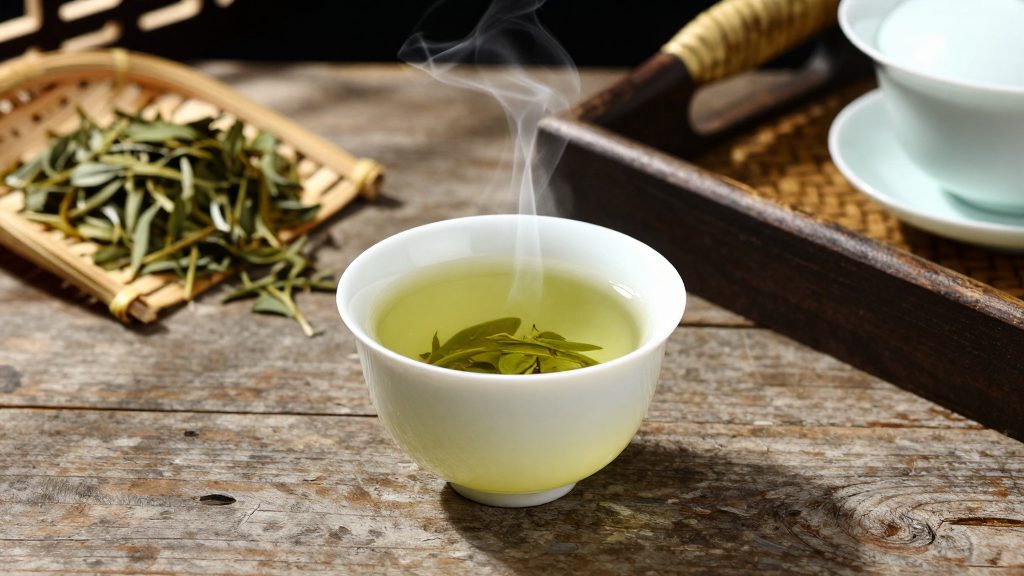
When shopping, you must distinguish between grades. Ceremonial grade is the highest quality, intended to be whisked with nothing but hot water. It is characterized by a bright, almost neon green color and a delicate, creamy sweetness with minimal bitterness.
In contrast, culinary grade is designed to stand up to heat and other ingredients. It often has a slightly duller olive tone and a more pronounced, astringent bitterness that cuts through milk or sugar.
| Feature | Ceremonial Grade | Culinary Grade |
|---|---|---|
| Primary Use | Traditional tea ceremony (water only) | Lattes, baking, smoothies, desserts |
| Color | Vibrant, bright electric green | Richer, olive or yellowish green |
| Flavor Profile | Smooth, umami-rich, sweet finish | Strong, bitter, robust tea aroma |
| Texture | Extremely fine, dissolves instantly | Slightly coarser, holds shape in baking |
If you use a delicate ceremonial powder to make a heavy vanilla latte, you will waste precious, expensive tea on a flavor that gets lost in the milk. Conversely, using culinary grade for a traditional tea ceremony will result in a drink that is unpleasantly harsh.
But knowing the difference is only the first step; knowing how to handle the powder is where the real work begins.
How do you master the sacred ritual?
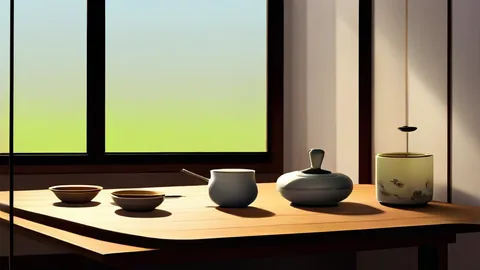
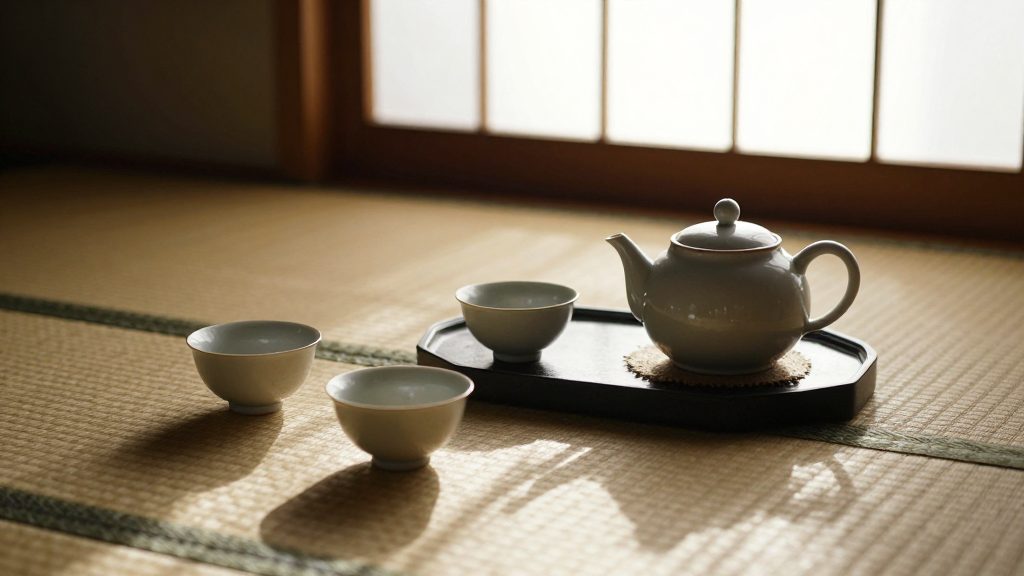
A practitioner sits on a tatami mat in a quiet room in Kyoto, the scent of incense lingering in the air. The movements are slow, deliberate, and almost entirely silent, save for the soft sound of bamboo meeting ceramic.
The philosophy of *Chanoyu* (thes Way of Tea) is rooted in the concept of mindfulness. It is not merely about drinking; it is about the connection between the host, the guest, and the present moment. This is often expressed through the principles of harmony, respect, purity, and tranquility.
In the tea room, the concept of *Wabi-sabi*—finding beauty in imperfection and transience—is felt in the handmade tea bowls and the natural textures of the utensils.
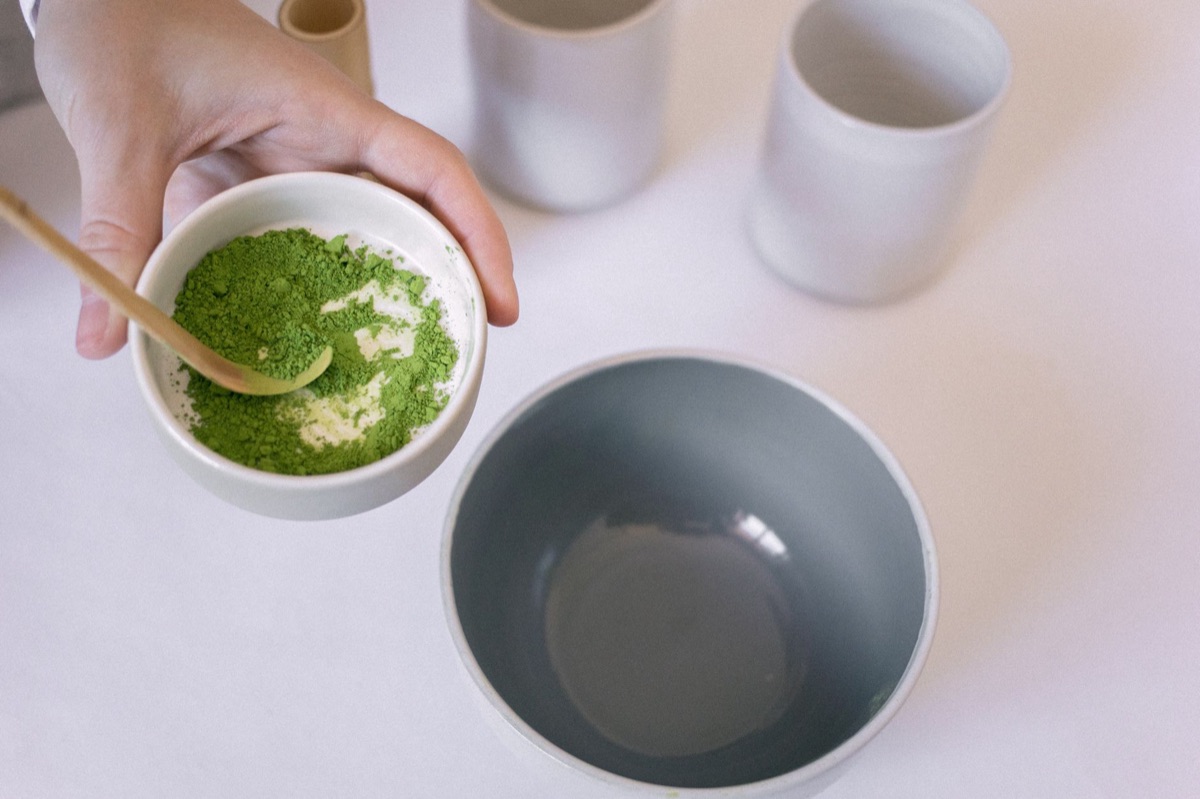
To prepare the tea traditionally, one follows a specific sequence: 1. Sifting: The powder is passed through a fine mesh sieve to remove any clumps. 2. Measuring: The tea is placed into a warmed bowl (*chawan*). 3. Water Temperature: Hot—but not boiling—water is poured over the powder. 4.
Whisking: Using a bamboo whisk (*chasen*), the tea is whisked in a vigorous "W" motion until a thick, creamy froth with tiny bubbles forms on the surface.
The ritual demands that the tools be treated with reverence. The whisking process is an exercise in precision; if the water is too hot, the tea becomes burnt and bitter. If the whisking is too slow, the aeration required for that perfect "micro-foam" texture will never occur.
However, most people struggle to move this ritual from the tea room to the kitchen.
Why does it taste different in a latte?
A barista in a crowded metropolitan cafe reaches for a tin of dark green powder, whisking it into a pitcher of steamed oat milk. The aroma of toasted grass and cream fills the shop, attracting a line of customers waiting for their morning fix.
Modern gastronomy has taken the intense flavor of matcha and softened it for the mass market. In the world of desserts, matcha acts as a sophisticated counterpoint to sugar.
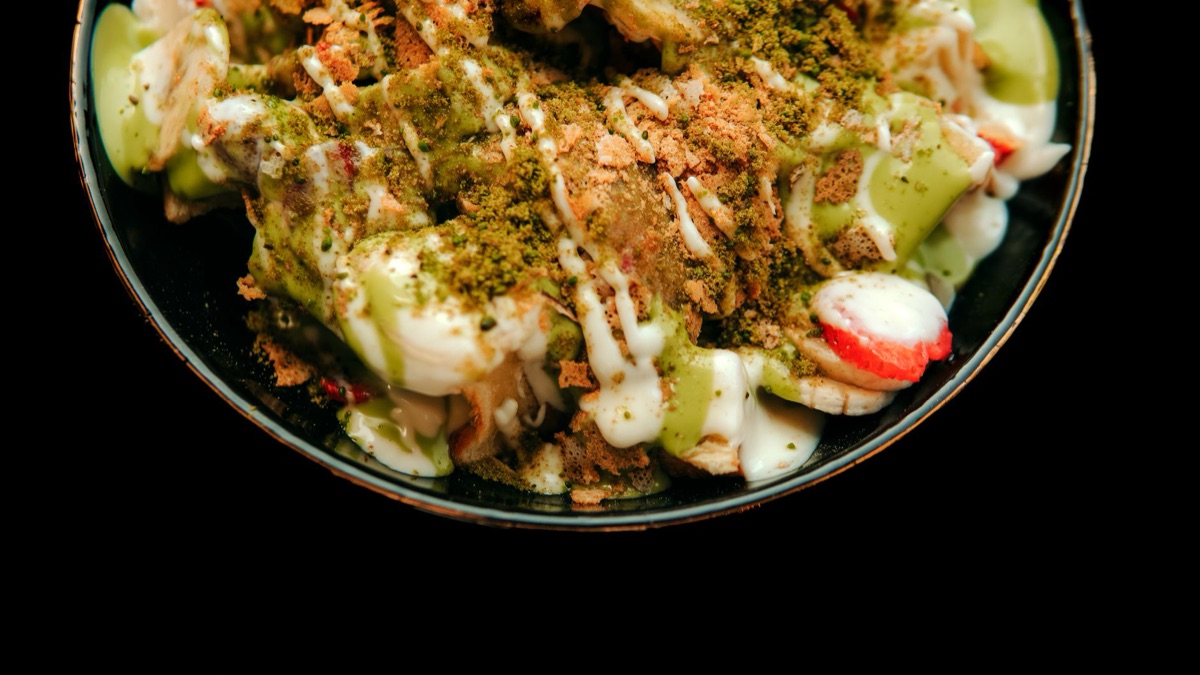
Because of its natural bitterness, it pairs exceptionally well with creamy elements like white chocolate, mascarpone, or coconut milk. You will find it in everything from layered parfaits to delicate sponge cakes and infused macarons.
The beverage evolution has seen matcha move from the tea bowl to the coffee cup. Matcha lattes have become a staple, often layered with fruit purees or cold foams to create visually stunning, Instagram-ready drinks.
In more adventurous kitchens, chefs are using matcha in savory applications, such as dusting over lightly salted crackers or incorporating it into savory foams to garnish seafood dishes.
For the modern consumer, the challenge is balance. You want the health benefits and the distinct flavor of the tea, but you also want a beverage that fits into a fast-paced lifestyle.
This has led to the rise of high-quality instant matcha blends that offer convenience without sacrificing the soul of the tea. But how do you get that perfect cup at home?
How do you achieve the perfect bowl?
A guest receives a small, colorful sweet on a ceramic plate before the tea is served. The sweetness of the confection is designed to prepare the palate for the coming bitterness.
Achieving the perfect matcha experience requires understanding the interplay of temperature, tools, and taste. If you are a beginner, starting with a culinary-grade blend in a latte is the best way to acclimate to the flavor profile.
As your palate matures, you can move toward the pure, intense experience of ceremonial tea.
To master the whisking technique at home, follow these steps: 1. Pre-warm the tools: Rinse your bowl and whisk with hot water to prevent the tea from cooling too quickly. 2. Sift the powder: Always use a fine-mesh strainer to ensure no lumps remain. 3.
Control the temperature: Aim for water between 175°F and 185°F (roughly 80°C). Boiling water will destroy the delicate aroma. 4. The "W" Motion: Hold the whisk at a slight angle and use your wrist to move the whisk in a vigorous zig-zag pattern rather than a circular one.
This creates the finest bubbles. When I tried this myself in 2025, I realized that the wrist movement is much more important than arm movement.
When pairing matcha with food, consider the "contrast rule." If your matcha is particularly earthy and bitter, pair it with something sweet or creamy (like *wagashi* or vanilla-based sweets).
If you are using a sweeter, more floral ceremonial tea, it can stand alone or be paired with lightly salted snacks to highlight its umami notes.
How does the history shape the cup?
The history of tea is a history of movement. In the medieval period, tea traveled from China to Japan, where it was transformed from a medicinal beverage into a spiritual practice.
For centuries, matcha was the domain of monks and the elite, a tool for meditation and a symbol of status. It was a slow, quiet luxury. As the centuries progressed, the tea ceremony became a cornerstone of Japanese identity, teaching discipline and etiquette to generations of practitioners.
Today, the global adoption of matcha represents a new chapter. It has moved from the temple to the global stage, becoming a symbol of wellness and culinary sophistication.
While the methods of consumption have changed—from bamboo whisks to electric milk frothers—the core appeal remains the same: the unique, vibrant energy that only high-quality green tea can provide.
As we look to the future, the tension between the ancient ritual and the modern lifestyle continues to drive innovation. Whether you are sitting quietly in a tea room or grabbing a latte on the go, you are participating in a living tradition that continues to evolve with every whisk.
#


Comments 0