How to match tea to vessel for different varieties?
"The right tools do not just hold the water; they define the character of the infusion."
Selecting the proper equipment is the first step toward a consistent cup, requiring a balance of temperature control and vessel capacity. This guide covers essential brewing standards, storage basics, and how to match specific tea types to their ideal preparation methods.
Key takeaways include following ISO standards for black tea, understanding shelf life, and managing heat.
How do I choose the best tea cup choice?
A hand reaches for a ceramic vessel, feeling its warmth against the palms. Selecting the right vessel depends on the tea variety and the desired heat retention. A small, thick-walled cup is often preferred for single servings to maintain temperature during a short session.
When considering a tea brewing setup, the volume of the vessel must match the amount of water used. For example, if you are following specific brewing standards, your cup must accommodate the infusion without overflowing. A proper vessel allows the leaves to expand during the steeping process.
A well-chosen tea cup provides the necessary sensory experience. For those practicing a specific tea brewing setup, the material of the cup can influence how the aroma is perceived. Choosing between porcelain, glass, or clay depends on whether you prioritize heat retention or visual clarity.
In this sequence, the first step is the most important.
What are the standards for a tea brewing setup? Tea drinking tool guide
In the quiet morning light, he carefully adjusts the kettle spout, mastering the precise setup required for a perfect brew.
The kettle whistles as steam rises into the morning air. Precision in temperature and timing is the foundation of a quality brew. Without these specific parameters, the delicate flavors of the leaves can be lost or overwhelmed by bitterness.
According to ISO 3103, black tea brewing requires a temperature of 90–95 °C using 100 ml of water and 2 g of tea. The brewing time is set at 6 minutes. Following these exact measurements ensures that the extraction process remains consistent every time.
Using these proportions helps in matching tea to vessel requirements. If the vessel is too large, the 100 ml of water may cool too quickly, failing to reach the necessary extraction levels. Maintaining the correct ratio of leaf to water is vital for flavor balance.
- Select a kettle with precise temperature control.
- Gather high-quality loose leaf tea.
- Prepare a clean brewing vessel.
How do I master selecting tea ware?
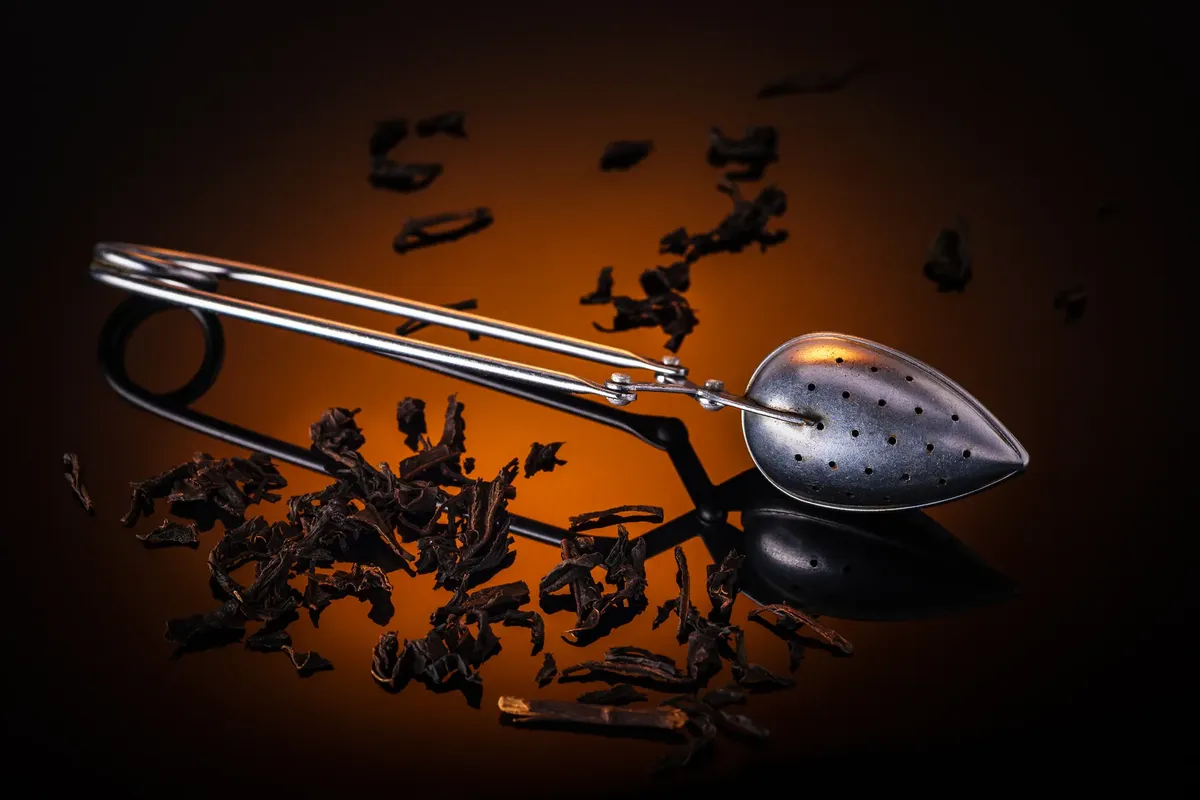
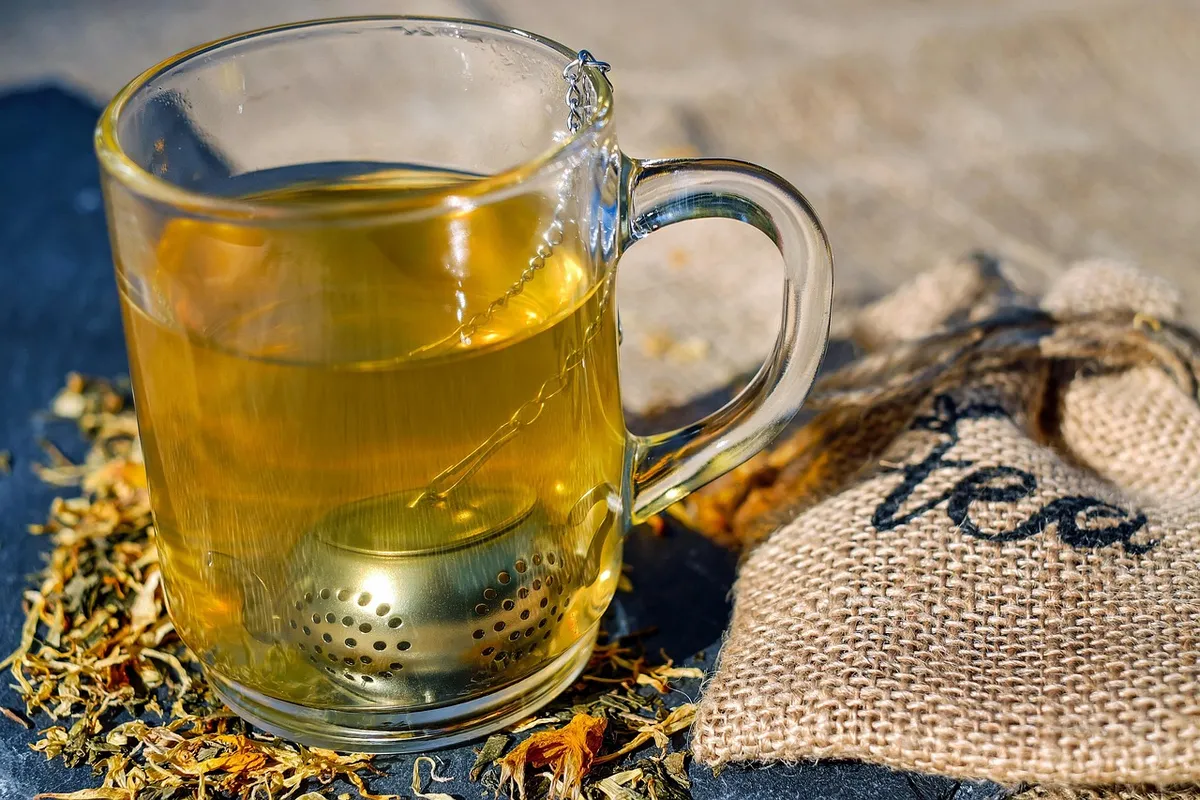
The tea strainer sits beside a glass teapot, catching fine particles. Selecting tea ware involves understanding how different materials interact with the tea's chemistry. Different infusions require different levels of aeration and heat management.
For those focusing on enhancing tea aroma, glass vessels allow the user to observe the color and movement of the leaves. This visual feedback is helpful when monitoring the brewing progress. A tea strainer is also essential to prevent over-steeping once the desired strength is reached.
Effective techniques for enhancing tea aroma often involve using vessels that do not mask the scent. While heavy ceramic keeps the liquid hot, thinner glass allows for a more immediate aromatic release. The choice depends on whether you prefer a long, slow drink or a quick, intense infusion.
In this order, the second step is the longest.
How to match tea to vessel for different varieties?
A spoon stirs a dark infusion, watching the steam swirl. Different teas possess unique characteristics that demand specific handling. A heavy pot might be perfect for a robust blend, while a delicate cup suits a lighter floral tea.
For example, Oolong tea has a specific profile that can be highlighted by specific vessels.
These subtle nutritional components are best enjoyed when the vessel preserves the tea's natural oils.
When you attempt to match tea to vessel, consider the strength of the brew. A heavy-duty pot is suitable for high-temperature extractions, whereas a delicate porcelain cup is better for lighter infusions.
I find that adjusting the vessel based on the tea type prevents the flavor from becoming too muted or too sharp.
How do I manage tea storage and freshness?
A person carefully seals a tin lid, ensuring an airtight fit. Proper storage is the most critical factor in preserving the quality of the leaves over time. Exposure to air, light, and moisture can quickly degrade the flavor profile.
Most teas stay fresh for 6 months to 2 years if stored properly. Keeping the leaves in a cool, dark, and airtight environment prevents oxidation. This longevity allows enthusiasts to maintain a diverse collection without losing the unique characteristics of each variety.
If you fail to store tea correctly, the oils can turn rancid, ruining the entire batch. Using airtight containers is a necessary step to prevent moisture from entering the leaves. Proper storage ensures that the tea remains as intended from the moment it is packaged.
The subject here is Tea drinking tool guide.
This part also covers How to choose tea strainer.
This part also covers Tea bag steep time guide.
How to choose tea strainer
Related
- Best tea tools guide for beginner tea tool setup
- Family tea business growth: Scaling with 50% EDA support
When are the right tools most crucial?
The right tools become most critical when attempting to reproduce a specific flavor profile across different brews. Consistency in the infusion relies heavily on the interaction between the vessel, the water temperature, and the leaf quantity.
Without adherence to established parameters, the subtle nuances of the tea are lost to variables.
The vessel's capacity, which must match the water volume, dictates how quickly the infusion reaches equilibrium.
Therefore, the right tools serve as the bridge between the raw material and the desired sensory outcome, ensuring that the intended character of the infusion is achieved.
What happens if the tools are mismatched?
If the chosen tools do not align with the tea's needs, the infusion suffers. A mismatch between the vessel and the leaf type prevents the desired flavor development. For example, using a small, thick-walled cup for a high-volume, delicate infusion might cause premature cooling.
The right tools must facilitate the process; they should not impede it. A strainer that is too coarse might allow fine particles to pass into the infusion, affecting the mouthfeel. Conversely, a vessel too narrow might restrict the necessary expansion of the leaves during steeping.
The journey from dry leaf to liquid infusion depends on the harmony between components. When the right tools are used, the journey is smooth; when they are not, the journey is compromised.
Comments 0