Matcha vs Green Tea: 1 Key Shading Secret for Umami
The secret to that vibrant emerald glow and creamy umami isn't just in the leaves—it's in the intentional shadow.
Matcha is far more than just ground-up green tea; it is a specialty ingredient defined by precise shading techniques and a deep heritage of ritual. As of 2026, this superfood has transitioned from a niche traditional beverage into a cornerstone of the global wellness, beauty, and culinary industries.
* The Art of Shading: A specialized cultivation method that maximizes chlorophyll and L-theanine by blocking sunlight. * From Ritual to Retail: The evolution from a sacred Japanese ceremony to a dominant global commodity in cafes and wellness products.
* Industrial Versatility: Expanding beyond tea into high-end cocktails, functional sodas, and premium skincare. * Global Production Shifts: New frontiers in production, such as commercial matcha ventures emerging in tea-growing regions like Assam, India.
Why Does Matcha Taste and Look Different? The Science of Shading
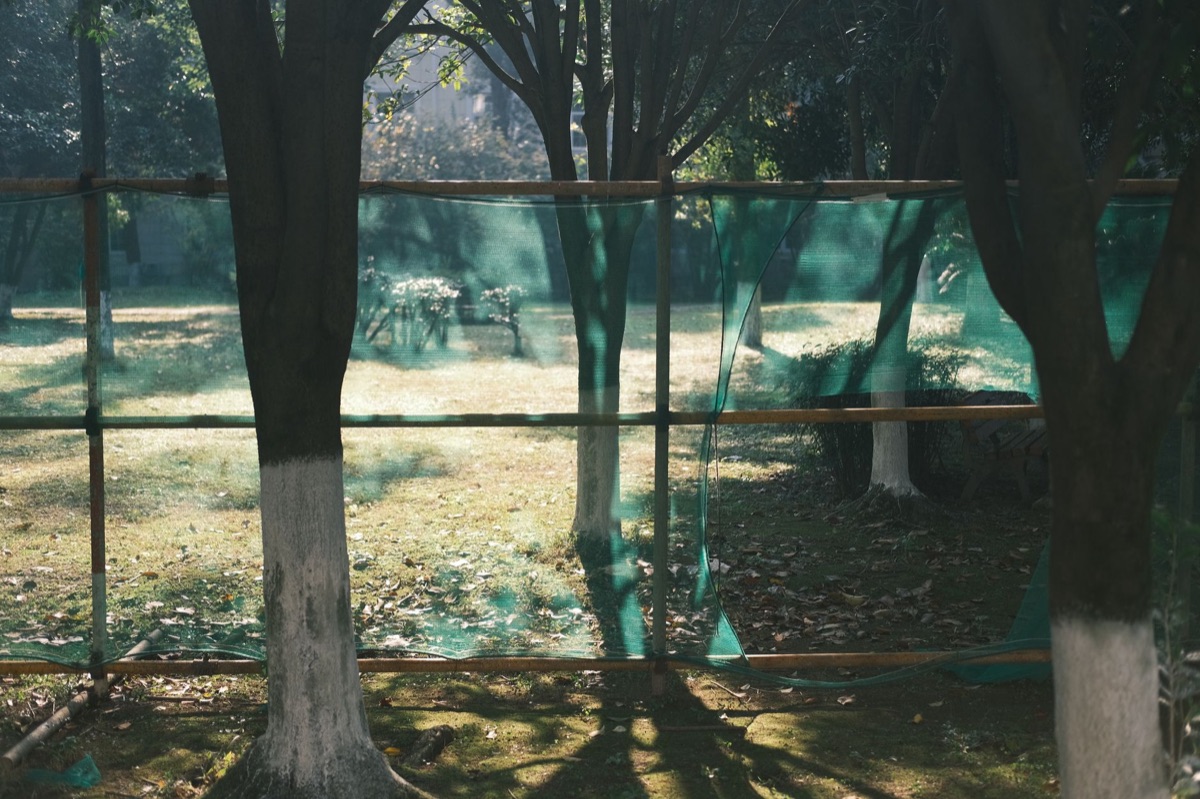
The fundamental difference between matcha and standard green tea powder lies in how the plants are raised. The "magic" happens during a process called shading, where tea bushes are covered with black mesh nets for several weeks before harvest to intentionally limit sunlight.
This lack of light forces the plant into an overdrive of photosynthesis to compensate. As a result, the chlorophyll levels skyrocket, creating that unmistakable, neon-emerald pigment.
Furthermore, to combat the lack of light, the plant produces higher concentrations of L-theanine—an amino acid that provides a smooth, savory "umami" flavor. Without this shading process, you're left with the more astringent, bitter profile typical of standard green teas.
I remember visiting a tea estate near Uji last spring; seeing those young leaves tucked under heavy black covers, only to see them explode into a brilliant, electric green once whisked in water, was truly a sensory revelation.
From Sacred Ceremonies to Your Local Espresso Bar
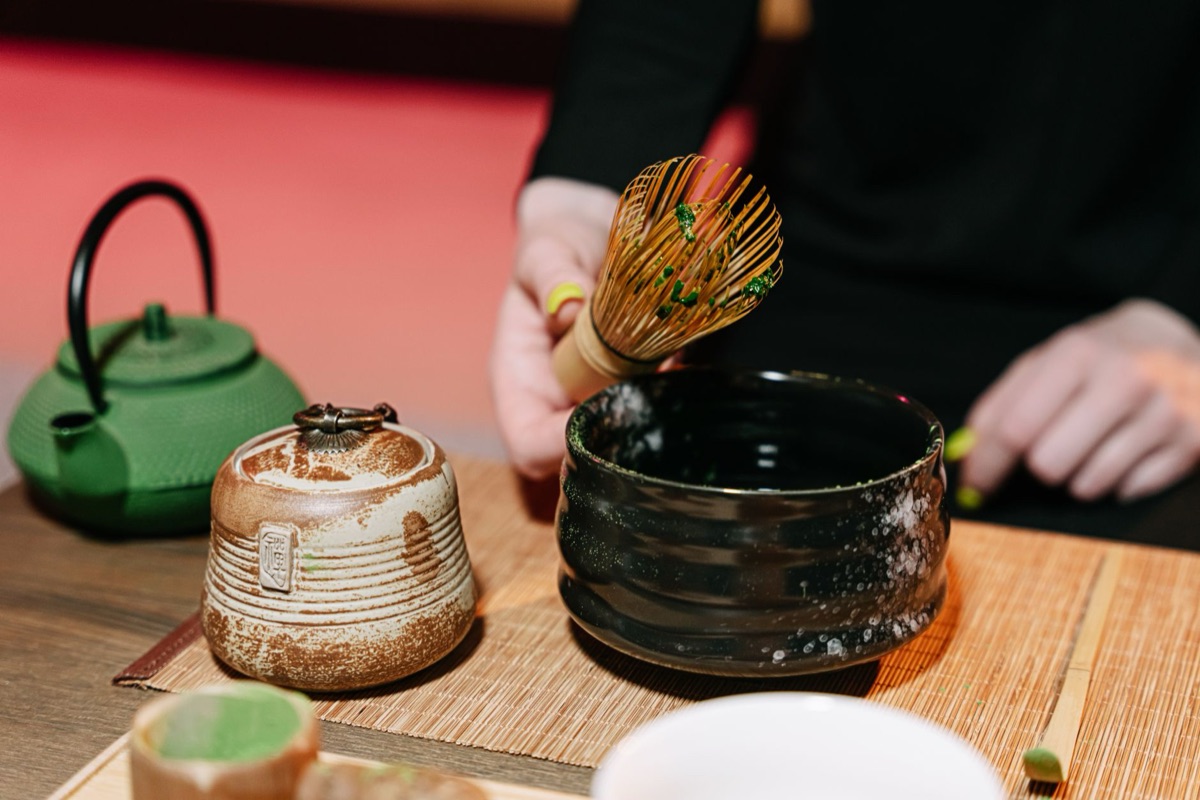
Historically, matcha was the heartbeat of the Japanese tea ceremony, used as a tool for meditation and spiritual discipline. The precise movement of using a *chasen* (bamboo whisk) to create a delicate froth was a meditative art form in itself.
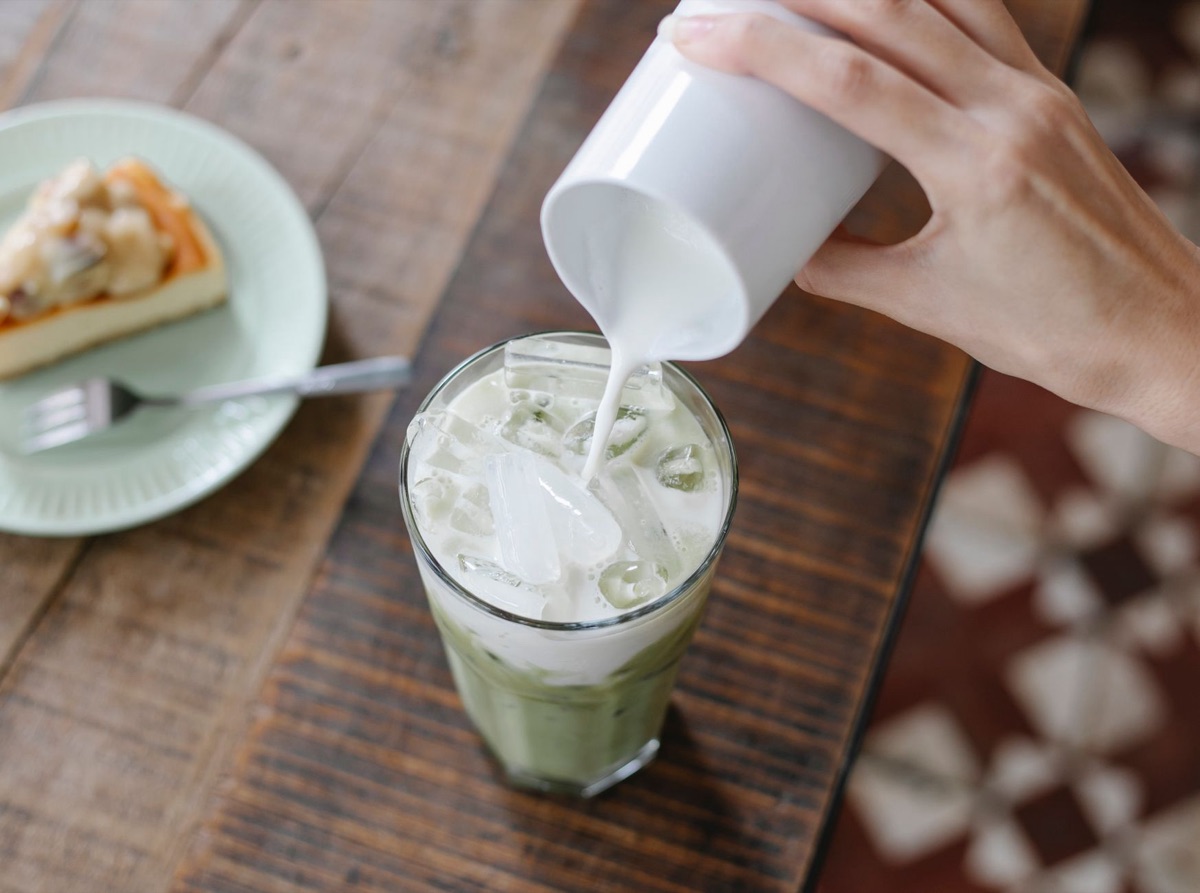
However, since the mid-2020s, matcha has undergone a massive cultural shift. What was once reserved for tea masters is now a staple in high-end cafes from New York to London.
We are currently witnessing a "Tea Renaissance." In trendy metropolitan bars, matcha is being reimagined in sophisticated cocktails and non-alcoholic botanical spirits.
It has also become a star in the functional beverage market, appearing in everything from matcha-infused sparkling sodas to premium kombucha blends.
| Feature | Ceremonial Grade Matcha | Culinary Grade Matcha |
|---|---|---|
| Primary Use | Traditional ceremonies & pure tea | Baking, lattes, & mass-market drinks |
| Cultivation | Strict shading & premium young leaves | Mass production; variable quality |
| Flavor Profile | Deep umami, naturally sweet, smooth | Bitter, astringent, more robust |
| Preparation | Bamboo whisk (*chasen*) & tea bowl | Electric frother, blender, or spoon |
The Economic Surge of the Specialty Tea Market
The global specialty tea market is currently experiencing unprecedented growth. Matcha has emerged as a primary driver, evolving from a luxury item into a high-value industrial ingredient.
According to the International Tea Association's 2025 Market Trends Report, global specialty tea consumption rose by approximately 12% year-over-year, with the matcha category showing the most aggressive growth curve.
Furthermore, a 2025 Global Food Trend Analysis indicates that the market for matcha-infused functional foods has already reached multi-billion dollar valuations as of 2026.
Western brands have aggressively integrated matcha into both cafe menus and high-end skincare lines due to its antioxidant properties.
However, there are caveats to this boom. As the market expands, industry experts debate how to maintain authenticity and prevent low-quality, adulterated powders from diluting the "true" matcha experience.
A New Chapter in Matcha History: The Indian Expansion
While matcha is deeply rooted in Japanese culture, the global supply chain is diversifying. We are seeing significant movement from major tea-producing nations like India.
The Tea Board of India's 2025 Production Statistics noted an 8% increase in premium tea production compared to the previous year, a trend closely linked to the rise of specialized processed teas like matcha.
Notably, the Chota Tingrai Tea Estate in Assam, India, has made headlines by successfully initiating commercial-scale matcha production. This represents a historic milestone where traditional Indian tea expertise meets the specialized processing required for matcha.
This diversification is crucial for stabilizing the global specialty tea supply chain as demand continues to climb.
How to Brew the Perfect Bowl of Matcha at Home
If you want to replicate the cafe experience in your own kitchen, follow these professional steps:
- Select High-Quality Powder: Always look for "Ceremonial Grade" labels. The powder should be a vibrant, bright green, not a dull, yellowish hue. 2. Sift the Powder: Matcha is prone to clumping due to static electricity.
Always pass your powder through a fine-mesh sieve before brewing to ensure a smooth texture. 3. Watch the Temperature: Never use boiling water. Aim for roughly 175°F (80°C). Boiling water will scorch the delicate leaves and result in a bitter, unpleasant taste. 4.
Whisk with Intention: Using a bamboo whisk (or a high-quality electric frother), whisk in a rapid "W" or "M" motion. Continue until a thick, creamy layer of micro-foam forms on the surface.
A Note on Quality: The efficacy and flavor of matcha depend heavily on its origin. Some budget-friendly options on the market may blend in lower-quality tea leaves or additives. Always check the ingredient list and sourcing transparency before purchasing.

Comments 0