Pu-erh Tea Guide: How 15 Years of Aging Enhances Flavor
Living tea is more than a beverage; it is a biological masterpiece that evolves in your pantry.
Pu-erh tea is a unique fermented tea from China's Yunnan province that functions as a "living" entity, constantly changing its flavor profile through microbial activity. Unlike standard teas that degrade over time, high-quality Pu-erh can actually increase in value and complexity as it ages.
Whether you are looking for a smooth daily ritual or a long-term collectible asset, understanding the nuances of this tea is essential for any serious enthusiast.
* Microbial Evolution: The flavor shifts from astringent to mellow as microbes transform tannins into amino acids. * Two Distinct Paths: Choose between *Sheng* (raw) for complexity or *Shu* (ripe) for immediate smoothness. * Investment Potential: Premium aged cakes are increasingly viewed as specialty assets in the global tea market. * Storage is Key: Proper humidity and temperature control determine whether your tea matures or molds.

What Makes Pu-erh "Living" Tea?
To understand why enthusiasts treat Pu-erh like a fine wine, you have to look at its biological makeup. Most teas are processed to stop fermentation, but Pu-erh is designed to keep going. Once the leaves are pressed into cakes or bricks, they remain biologically active.
The magic happens through slow oxidation and microbial fermentation. Over years, the harsh polyphenols that cause a "dry" mouthfeel break down. This chemical shift creates deep, earthy, and sometimes sweet notes.
According to the International Tea Committee's 2025 report, fermented tea varieties have seen a 12% increase in global consumer interest compared to 2024 levels. This reflects a growing appetite for "living" products that offer complex sensory experiences.
I remember opening a vacuum-sealed tin of 12-year-old *Sheng* Pu-erh last winter. The first thing that hit me was the sheer density of the aroma—it smelled like damp forest floor and dried plums.
When I took the first sip, the sharp bite I expected from a younger tea was entirely gone. It was replaced by a silky texture that coated my tongue perfectly.
Sheng vs. Shu: Which One Should You Brew?
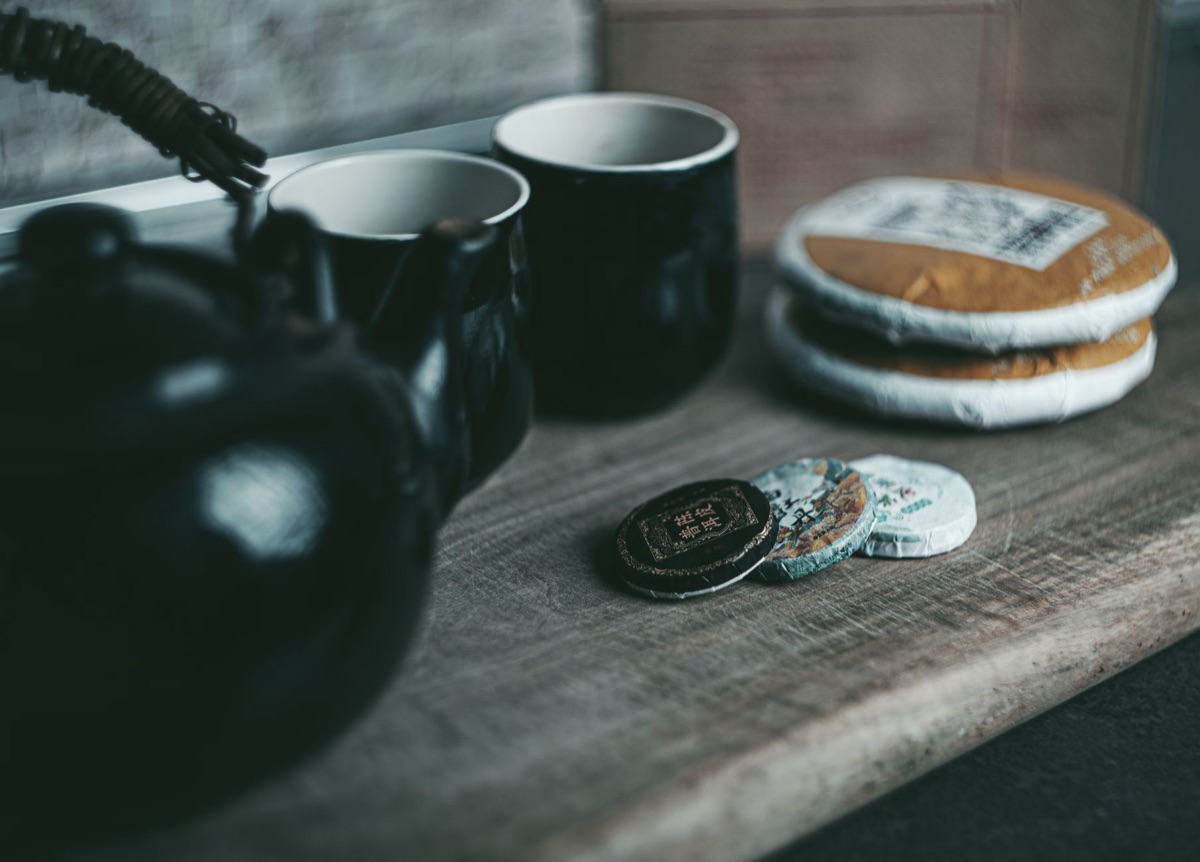
If you are walking into a specialty tea shop for the first time, you will likely see two main categories: *Sheng* (Raw) and *Shu* (Ripe). The difference lies entirely in how they are aged.
*Sheng* Pu-erh is the traditional method. The leaves are simply dried and left to age naturally over years or even decades. In its youth, it can be quite aggressive—think of a very strong green tea with a heavy tannic punch.
However, as it matures, it develops incredible floral and fruit complexities. This natural aging process is what collectors prize most highly in the current market.
*Shu* Pu-erh is the "accelerated" version. Using a process called *Wo Dui* (wet piling), producers use moisture and heat to jumpstart fermentation.
This results in a tea that is dark, earthy, and incredibly smooth almost immediately after production. It is perfect for those who want the Pu-erh experience without waiting years for the profile to soften.
| Feature | Sheng (Raw) Pu-erh | Shu (Ripe) Pu-erh |
|---|---|---|
| Aging Process | Natural/Slow (Years/Decades) | Accelerated/Wet Piling (Weeks/Months) |
| Liquor Color | Golden to light amber | Deep brown to dark mahogany |
| Flavor Profile | Floral, astringent, evolving | Earthy, mellow, chocolatey |
| Best For | Collectors & long-term drinkers | Daily drinkers seeking comfort |
How to Store Your Tea Like a Pro
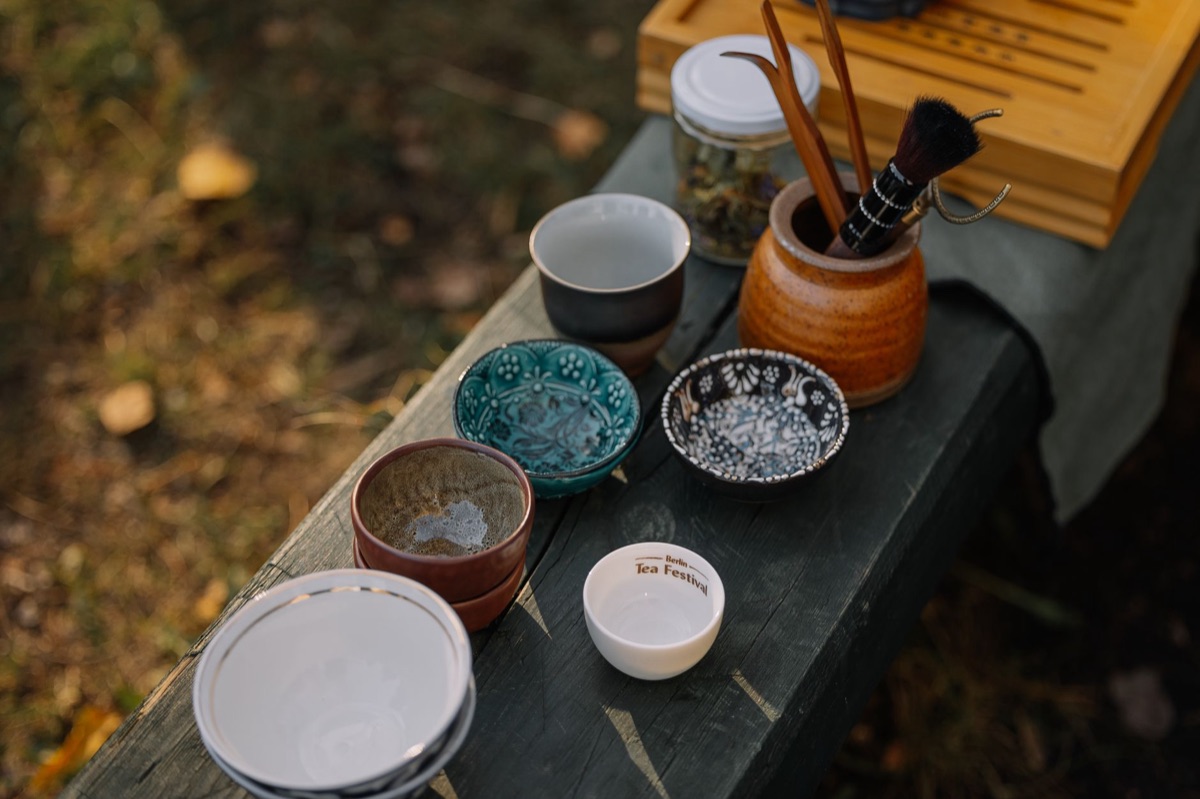
Because Pu-erh is "alive," your storage habits are the difference between a masterpiece and a pile of mold. You aren't just storing food; you are managing an ecosystem.
According to the Specialty Tea Association's 2026 guidelines, maintaining strict environmental controls can extend the peak flavor window of aged teas by up to 40%.
- Control the Environment: Aim for a cool, dark place with consistent temperatures. Ideally, keep humidity between 50% and 70%. If your home is too dry, use a dedicated tea storage box made of cedar or clay.
- Avoid Odors: Pu-erh leaves are highly porous and act like sponges for smells. Never store them near spices, cleaning supplies, or strong-smelling wood furniture.
- Use Proper Vessels: For the best experience, use an unglazed Yixing clay teapot. The tiny pores in the clay absorb tea oils over time, "seasoning" the pot and enhancing subsequent brews.
However, there is a catch: perfect storage is difficult. If your humidity spikes above 75%, you risk mold growth that can ruin an entire collection. It requires constant vigilance.
Is Pu-erh a Good Investment?
The global specialty tea market is seeing unprecedented growth. According to the World Tea News 2026 Market Analysis, premium aged teas are moving closer to the status of fine spirits or rare wines.
Collectors often hunt for specific "vintage" years or tea from ancient trees (*Gu Shu Cha*). Because these older trees produce fewer leaves, the supply is finite, while global demand continues to climb.
This scarcity creates a secondary market where high-end cakes can fetch significant prices at auction. Some rare aged batches have seen value increases of over 15% annually in recent years.
While it is tempting to view every tea cake as a gold mine, remember that value is tied strictly to provenance and condition. A poorly stored 20-year-old cake is worth far less than a well-maintained 5-year-old one.
Always buy from reputable sources who can provide clear information on harvest year and processing methods.


Comments 0