That vibrant green hue in your cup isn't just a color; it’s
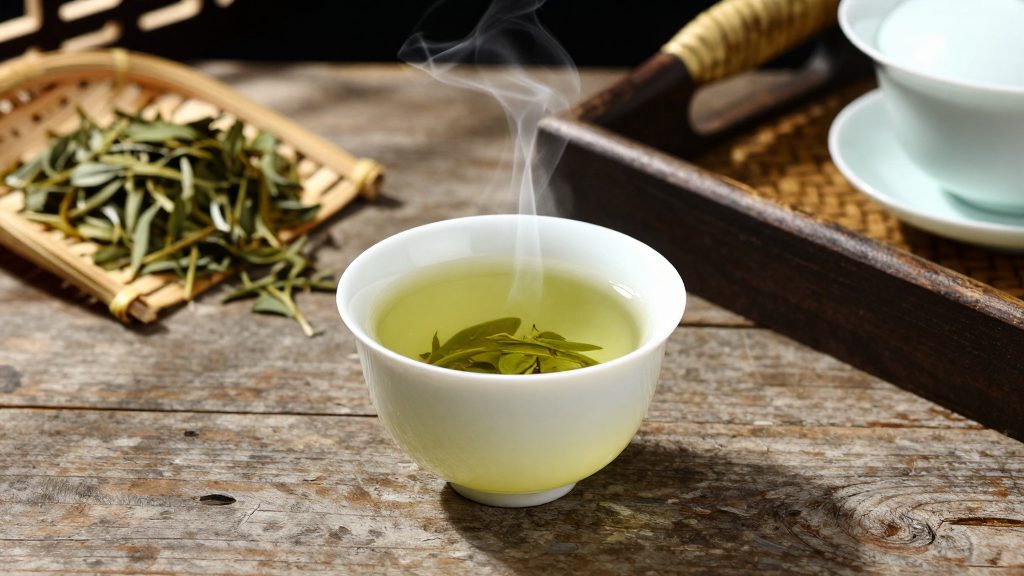
That vibrant green hue in your cup isn't just a color; it’s a concentrated essence of centuries of Eastern wisdom and raw natural vitality.
Green tea is defined by the careful prevention of oxidation during the drying process, which preserves its signature emerald color and fresh, grassy flavor profile. To truly master this drink, you need to understand three pillars: the specific processing method used, the unique terroir of the growing region, and the precise chemistry of water temperature and steeping time.
* Processing Matters: Whether tea is pan-fired or steamed determines if you get a nutty Chinese Longjing or a savory Japanese Sencha. * Terroir & Climate: Soil composition and local weather dictate the balance between refreshing umami and pleasant astringency. * Harvest Timing: Early spring harvests, often referred to as "first flush," yield much more delicate and premium profiles than later picks. * Precision Brewing: To avoid bitterness, you must steep green tea in water between 165°F and 175°F (70°C–80°C).
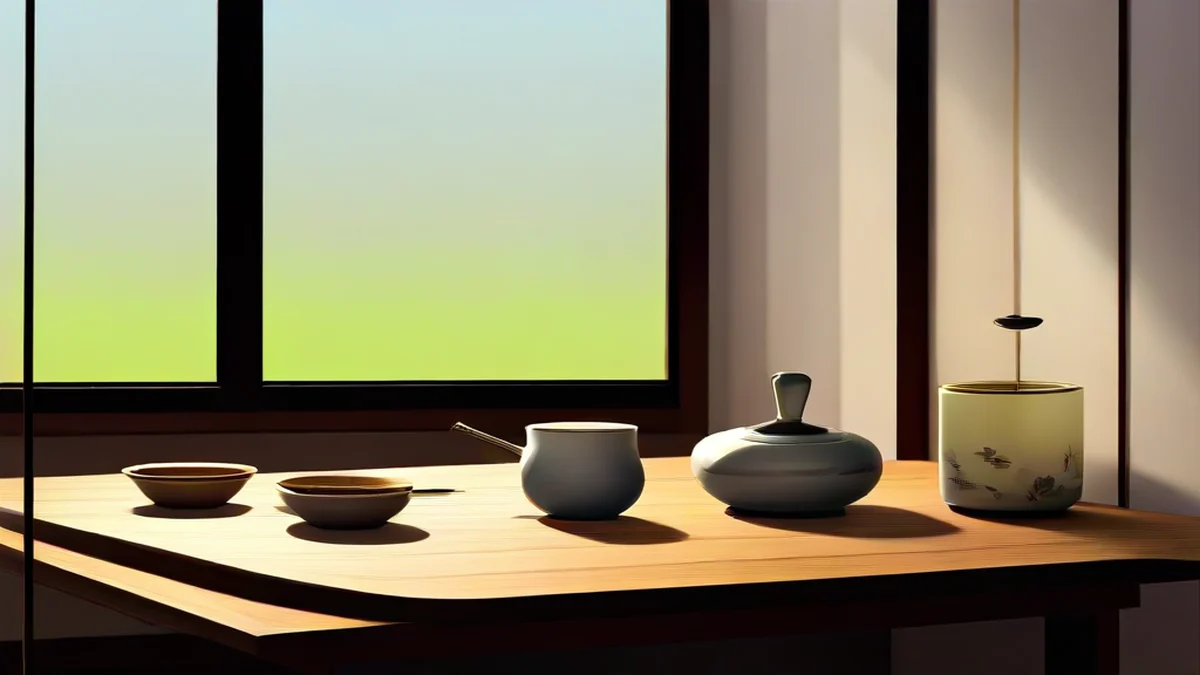
How do processing methods change the flavor of green tea?
The fundamental difference between types of green tea lies in how producers halt enzyme activity immediately after harvest. If you don't stop oxidation right away, the leaves turn black, and you end up with oolong or black tea instead.
In Japan, the dominant method is steaming. By exposing the leaves to fresh steam, producers like those in the Uji region create teas like Sencha that boast a deep, oceanic umami and a subtle sweetness. On the other hand, Chinese traditions lean heavily toward pan-firing. This involves tossing the leaves in large heated woks, a process that produces teas with a much more toasted, nutty, or "roasted" aroma. A classic example is Longjing (Dragon Well) tea.
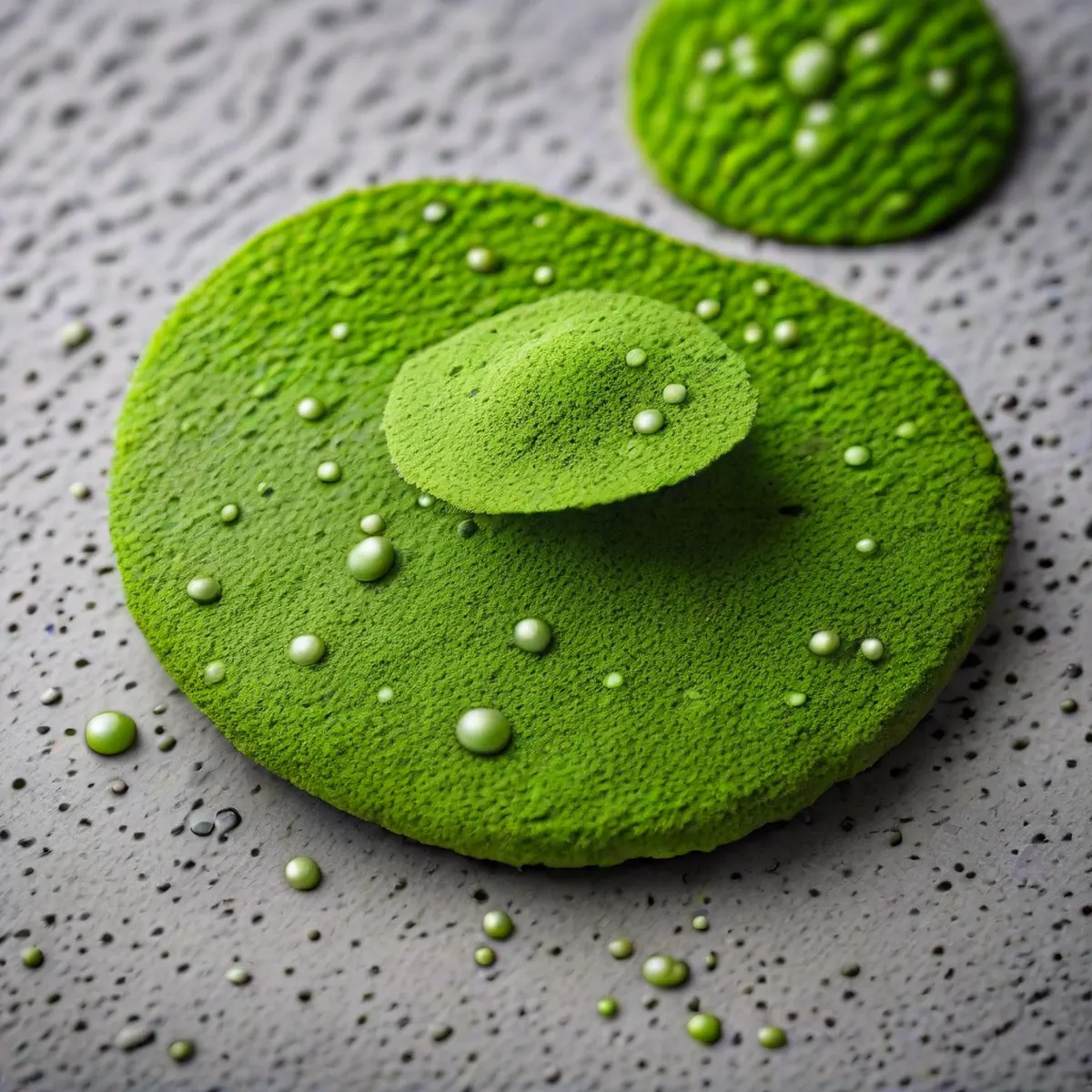
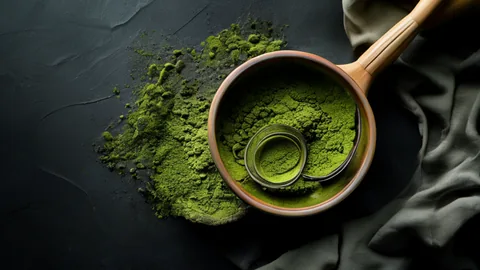
There is also a specialized category involving shade-growing. For premium teas like Matcha and Gyokuro, farmers cover the tea bushes with mats for several weeks before harvest to block sunlight. According to industry standards, this process boosts chlorophyll and amino acid levels, resulting in an incredibly intense, creamy flavor that you simply won't find in sun-grown varieties.
Which regions produce the best green tea?
Green tea is a product of its environment, and the "best" tea often depends on whether you prefer a grassy, savory profile or a toasted, mellow one.
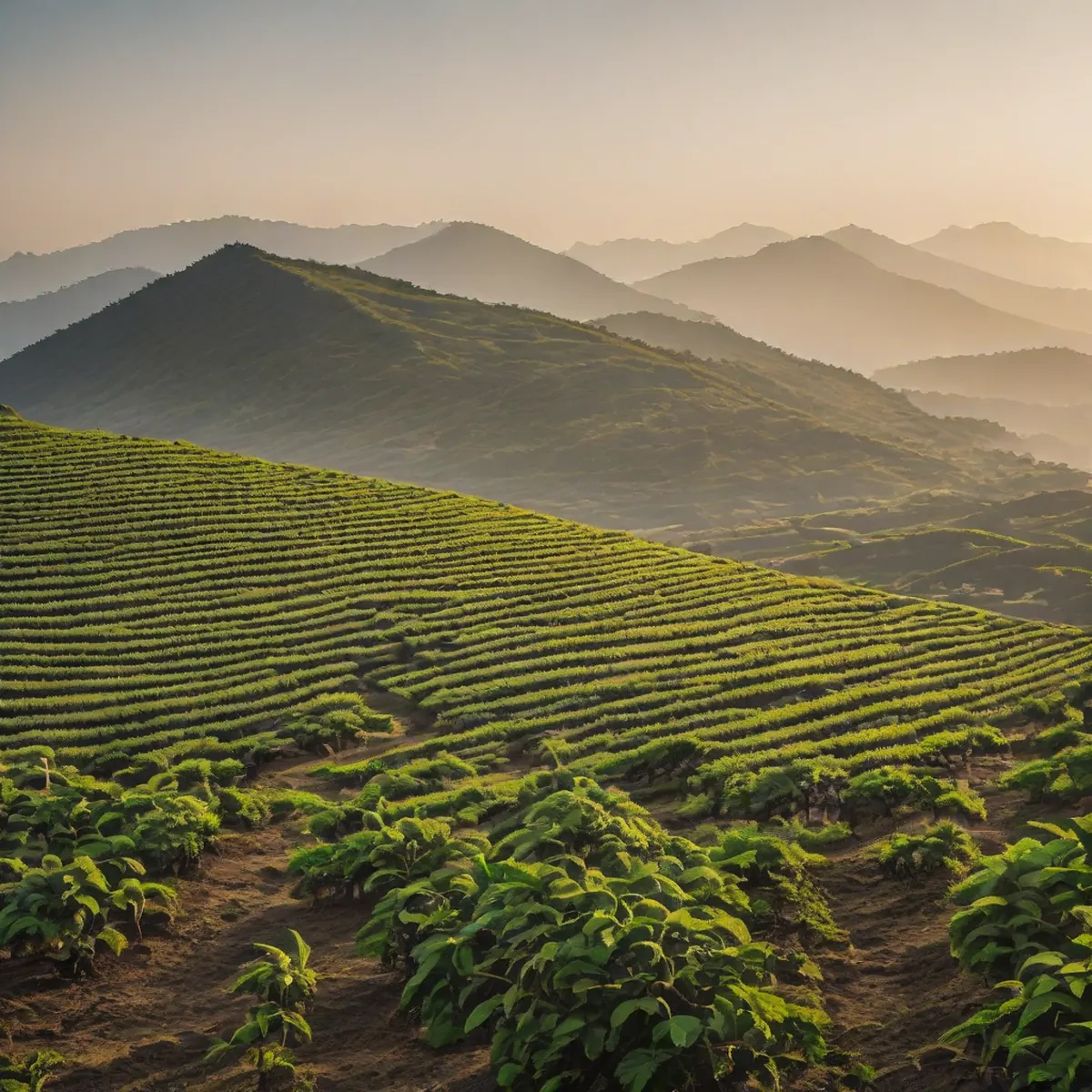
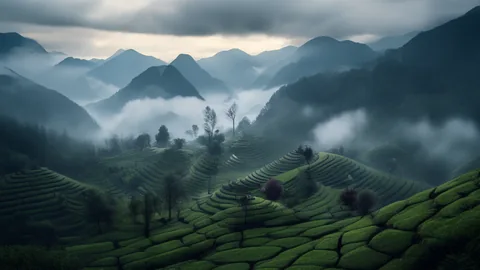
China’s Zhejiang Province is world-renowned as the home of Longjing. The China Tea Research Institute has noted in various technical studies that the specific mist and temperature patterns in this region are essential for developing the tea's signature "chestnut" aroma and straight leaf shape.
Japan offers a tale of two scales. Shizuoka is one of the world’s largest producers, utilizing vast plains to create high-quality Sencha at scale. Meanwhile, Uji remains the gold standard for ceremonial grade teas, where meticulous craftsmanship meets ancient tea ceremony traditions.
In Korea, the regions of Boseong and Hadong lead the way. Korean green teas are famous for their focus on "first flush" harvests—the very first tender buds of spring. I remember visiting a tea plantation in Boseong during an early morning fog; the air was thick with moisture, and as I held a freshly steeped cup, the scent was incredibly clean, smelling more like dew-covered grass than any processed beverage I've had in a cafe. Korean teas tend to strike a beautiful balance between being smooth and having a very crisp, clean finish.
What is the secret to brewing the perfect cup?
If you take boiling water straight from the kettle and pour it onto your tea leaves, you are likely ruining your experience. Green tea is chemically sensitive to heat.
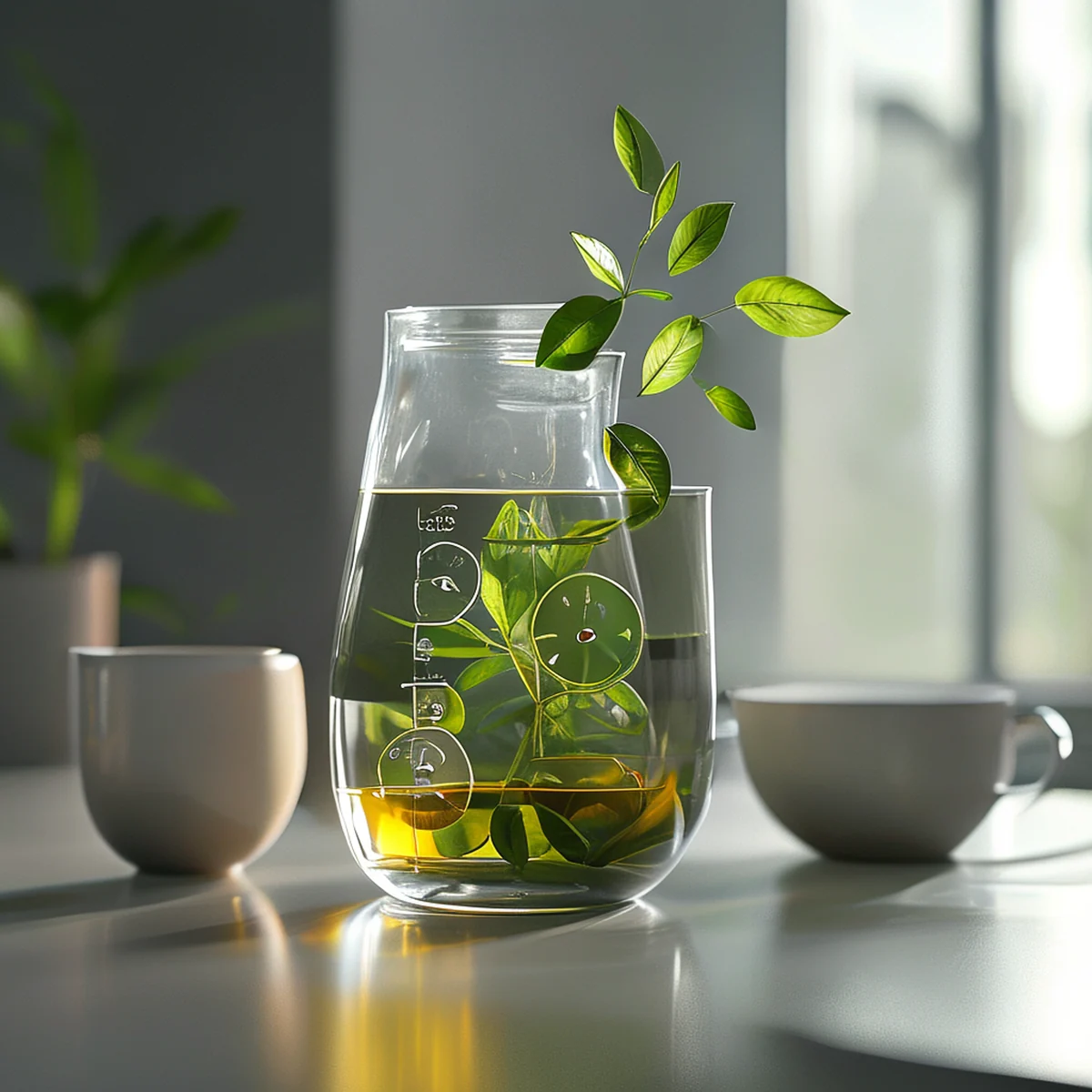
The most critical variable is water temperature. High heat (212°F/100°C) causes an aggressive extraction of tannins and polyphenols, which results in a harsh, bitter, and mouth-drying sensation. Based on guidelines from the International Tea Organization, you should aim for a sweet spot between 165°F and 175°F (70°C–80°C) to pull out the amino acids (the "umami" part) without over-extracting the bitter compounds.
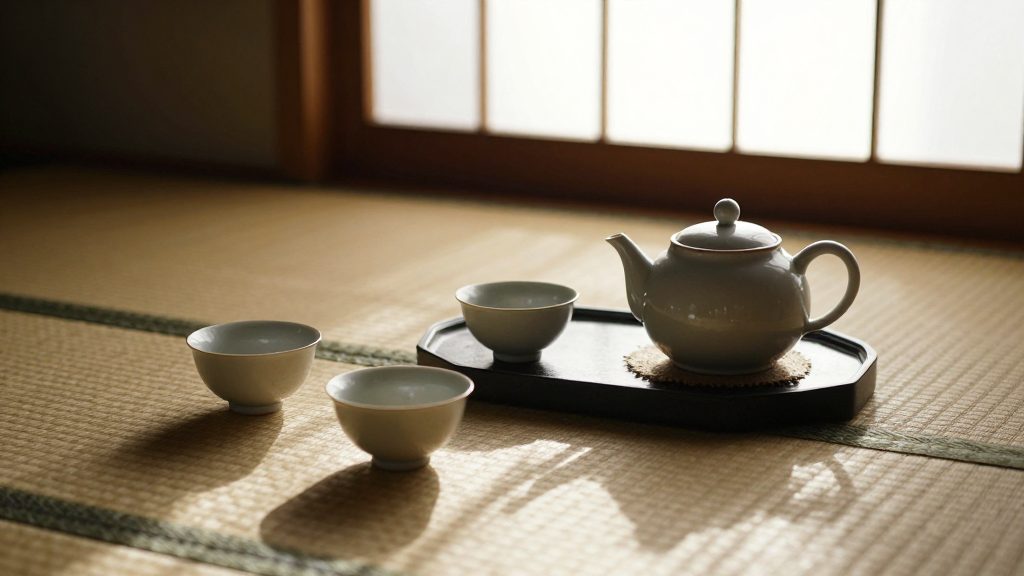
Steeping time is your second lever. For a first infusion, aim for about 40 to 60 seconds. If you are reusing the same leaves—which is highly recommended to get your money's worth—increase the time by about 10 to 20 seconds for each subsequent steep. Lastly, consider your water quality. If you live in an area with "hard water" (high calcium and magnesium), it can mute the tea's delicate notes. Using filtered, soft water will almost always result in a brighter, more vibrant cup.
| Feature | Steamed (Japanese Style) | Pan-Fired (Chinese Style) |
|---|---|---|
| Primary Flavor | Savory, Umami, Seaweed | Nutty, Toasted, Floral |
| Color | Vibrant, Deep Green | Pale Yellow to Bright Green |
| Common Varieties | Sencha, Matcha, Gyokuro | Longjing, Biluochun |
How should I store my tea to keep it fresh?
Green tea is a living product that continues to change after it is processed. If you leave it in a cupboard under the kitchen lights, you are essentially watching your expensive tea die.
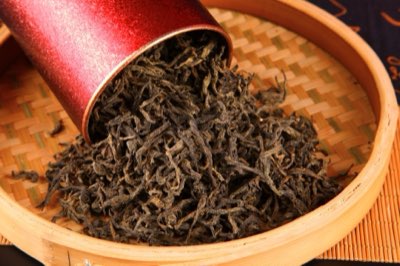
* Avoid Light: UV rays break down chlorophyll and destroy the delicate aromatic compounds. Always use opaque tins or dark ceramic jars. * Control Oxygen and Moisture: Oxidation is the enemy. Once a bag is opened, oxygen begins to degrade the flavor. I recommend portioning your loose-leaf tea into smaller, airtight containers so you aren't exposing the entire batch every time you want a single cup. * Temperature Stability: Keep your tea in a cool, dry place. While some enthusiasts refrigerate tea, you must be extremely careful about condensation when bringing the container back to room temperature.
Are there any limitations or common pitfalls to watch for?
It is important to acknowledge that green tea is a highly variable beverage. You cannot expect the same result every time because the "input" variables change constantly. The mineral content in your local tap water can drastically alter the flavor profile from one day to the next. Furthermore, there is a massive quality gap between high-end loose-leaf tea and the mass-produced tea bags found in grocery stores. Tea bags often contain "fannings" or "dust"—the broken remnants of leaves—which have much higher surface area and oxidize faster, leading to a more bitter and less nuanced flavor. Choosing your tea based on whether you want nuttiness versus grassiness is essential for a satisfying experience.


Comments 0