Pu-erh Aging: How Microbes Create 10 Years of Rich Flavor
"The liquid is shaped by time, a magic spell cast by microbes within the leaf."
The aging of Pu-erh tea is not mere waiting; it is a complex biochemical alchemy occurring deep within the tea leaves. This process transforms raw, bitter leaves into smooth, complex elixirs through the careful dance of microbial metabolism.
* The core of Pu-erh aging is the metabolic activity of beneficial microbes. * Oxidation and fermentation are distinct processes that intersect during the aging journey. * Proper humidity and temperature are the decisive factors for microbial health. * Well-aged tea undergoes polyphenol changes that create a velvety texture.
Why do the leaves get smoother over time?
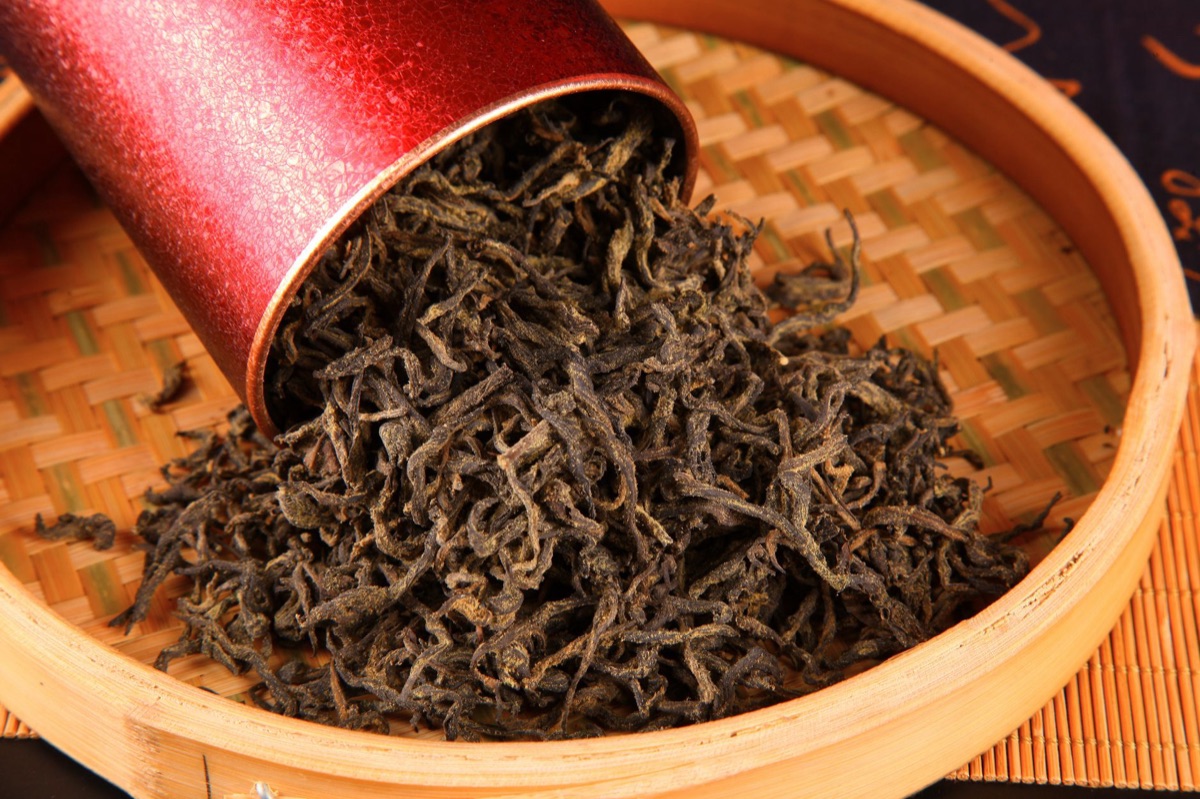
In the winter of 2025, standing in a cool, dim storage room in Seattle, the scent of damp earth and cedar drifts from stacked tea chests. Reaching out to touch a compressed tea cake, the leaves feel significantly more pliable and supple than the brittle, fresh leaves purchased just a year prior.
The aging process of Pu-erh is essentially the breakdown of organic matter by microbes within the tea leaves in a controlled environment. The harsh, astringent catechins found in young, raw tea are gradually transformed into complex, rounded flavors through microbial action.
This is not decomposition. It is a sophisticated biological evolution occurring under strictly managed conditions. By understanding this change, we can appreciate the "taste of time" rather than just a simple beverage.
However, to understand why the bitterness fades, we must look closer at the microscopic workers.
How do microbes design the flavor profile?
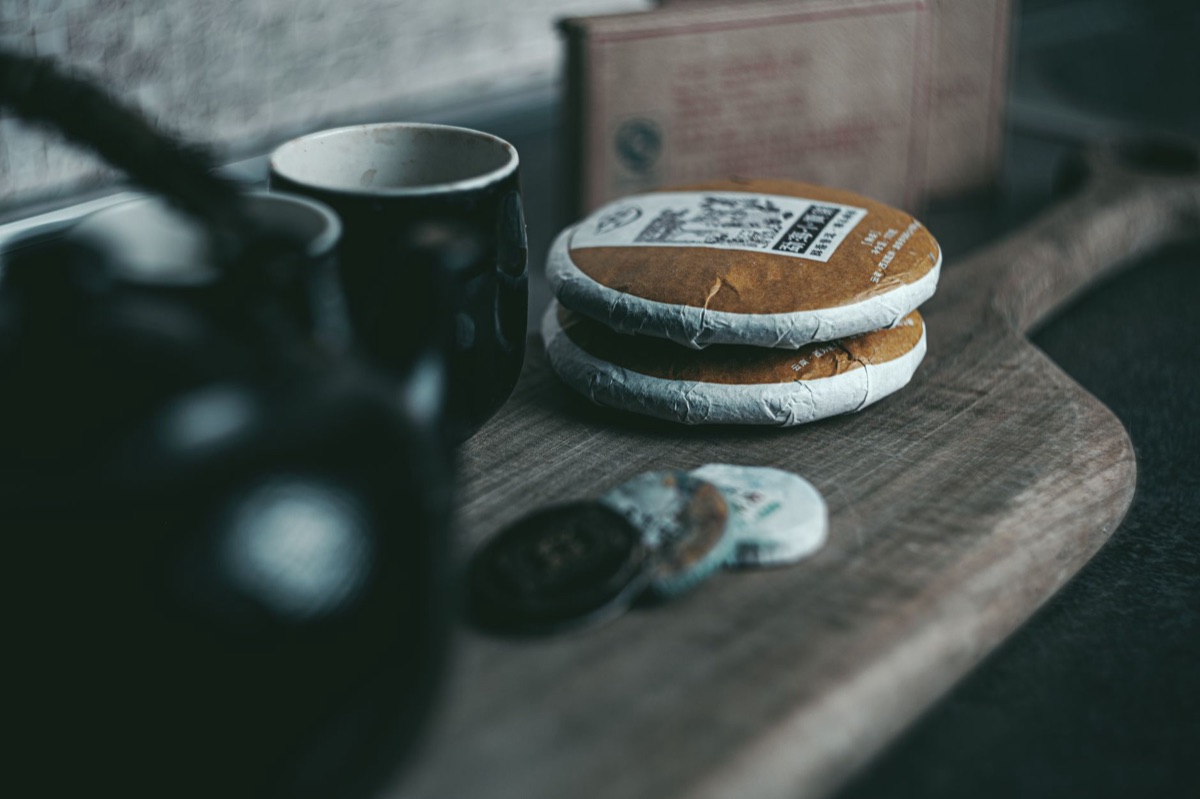
In the early spring of 2026, touching tea leaves in a cool, slightly humid room creates a sensation of faint warmth against the fingertips. On the surface of the leaves, invisible microscopic organisms are busily at work.
The key to Pu-erh aging is microbial metabolism. The diverse microbial communities present in the tea consume carbohydrates and polyphenols, releasing aromatic compounds such as esters, alcohols, and organic acids as they work.
The specific microbial colonies found in tea-producing regions create much more unique profiles than standard black teas. These organisms physically alter the leaf structure, binding the polyphenols responsible for bitterness into larger, more complex molecular structures that taste smoother.
Microbial activity is extremely sensitive to the environment. If the air is too dry, the microbes go dormant; if it is too wet, dangerous molds take over. This raises the question: how do we manage these tiny architects?
What is the difference between oxidation and fermentation?
On a warm afternoon in 2026, the heat from a tea-roasting hearth makes the air shimmer as tea leaves are tossed in a heavy pan. The heat dries the moisture and activates enzymes, laying the foundation for the tea's character.
While many people use the terms interchangeably, oxidation and fermentation must be strictly distinguished in the context of Pu-erh. Oxidation is a chemical process where enzymes within the leaf react with oxygen to transform polyphenols.
Fermentation is a biological process where external microbes break down organic matter.
Pu-erh undergoes an initial oxidation process, followed by an aging period in storage that mimics fermentation through microbial action. This restructuring of the tea's chemical makeup is what we call "aging."
| Feature | Oxidation | Fermentation |
|---|---|---|
| Primary Agent | Internal enzymes | External microbes and enzymes |
| Requirements | Oxygen, enzymes | Microbes, organic matter, temperature, humidity |
| Primary Result | Catechins transform into theaflavins | Complex aromas and smooth textures |
At the intersection of chemical and biological change, we encounter the true character of aged tea. But how exactly does the bitterness vanish to make room for the richness?
How bitterness fades into umami
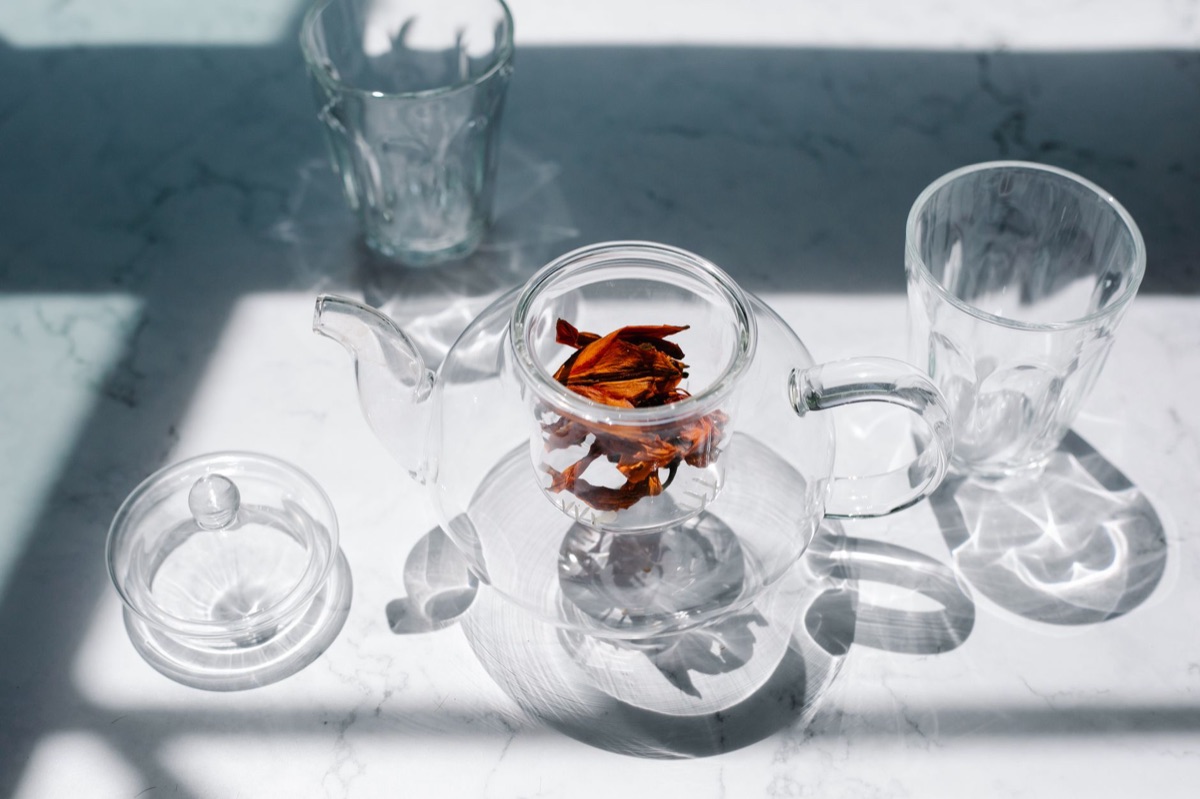
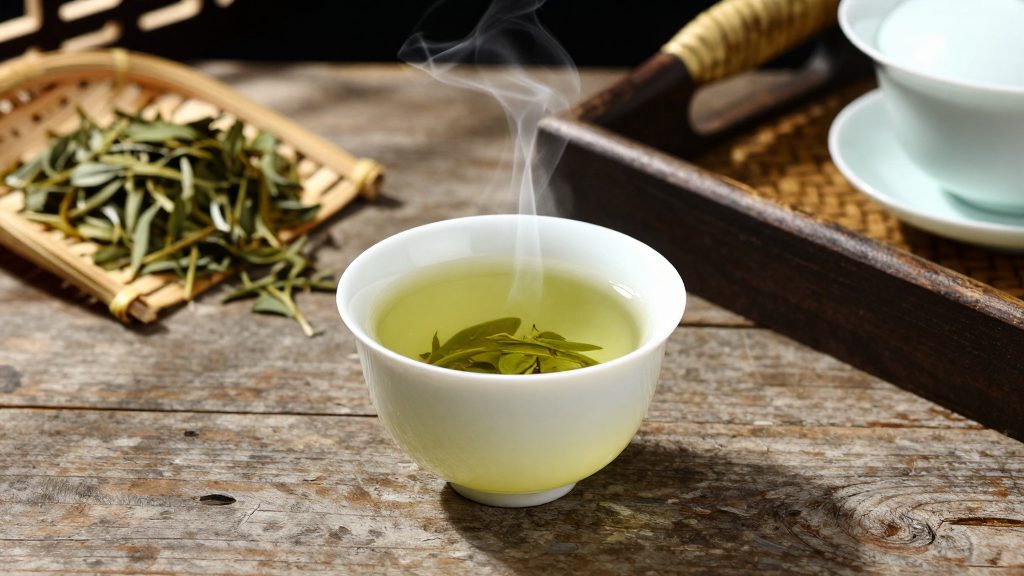
In the evening of 2026, pouring hot water into a glass teapot causes a deep amber liquid to swirl upward. The first sip coats the tongue with a heavy, silky texture that feels remarkably smooth.
The intense bitterness of young, raw tea is caused by high levels of polyphenols, specifically catechins. As the aging process progresses, microbes break these catechins down or bond them with other compounds to increase their molecular weight.
Larged molecules do not hit the tongue with the same sharp "pucker" as small molecules. Instead, they create a coating sensation in the mouth, providing a smooth texture and deep umami. This is the hallmark of high-quality aged tea.
Additionally, the organic acids produced during aging balance the tea's acidity. This explains why the flavor evolves from simple to complex over the decades. Now, we must look at how to protect this delicate process.
Techniques for managing the aging environment
In 2026, opening an old wooden tea cabinet after work releases a concentrated scent of aged wood and tea. A tea storage space is not just a cupboard; it is a living ecosystem.
To ensure successful aging, three elements must be managed with precision. Here is the professional protocol for environmental control:
- Temperature Control: Microbes need warmth to stay active, but excessive heat causes spoilage. A consistent temperature between 68°F and 77°F is generally recommended.
- Humidity Regulation: Ideally, humidity should stay between 40% and 70%. High humidity risks mold, while low humidity halts microbial progress.
- Ventilation: Airflow is essential for oxygen supply and humidity control. Stagnant air can lead to unpleasant, "musty" odors.
- Light Protection: UV rays destroy the chemical structure of the tea. Always store tea in dark, opaque containers or dark rooms.
- Odor Isolation: Tea is highly porous and absorbs surrounding scents. Keep tea far away from perfumes, spices, or cleaning supplies.
When I first began collecting aged cakes, I realized that even a small deviation in a storage room's thermostat could change the entire character of a harvest. This management is about designing the "optimal habitat" for the microbes. But how does the flavor profile shift as the years pass?
Flavor changes and precautions over the years
Looking at tea leaves that have aged for decades, one feels the weight of time. The leaves are no longer mere food; they are historical records.
The flavor profile shifts through these stages:
* Early Stage (1–5 years): The vibrant, energetic flavors of raw tea coexist with a noticeable astringency. * Middle Stage (5–15 years): The flavors become "rounded." The aroma deepens, and the texture becomes noticeably smoother. * Late Stage (20+ years): Complex aromatic compounds reach their peak. Bitterness is nearly gone, replaced by a heavy, luxurious body.
However, a warning is necessary: aging is not the same as rotting. If the tea smells like sulfur, rot, or has fuzzy white patches on the surface, it is spoilage, not aging.
Furthermore, "forced aging" using excessive heat to speed up the process can ruin the tea's delicate balance. Following the natural rhythm is the safest path to quality.



Comments 0